

胶水话题博客
The UK packaging regulatory landscape continues to evolve. Packaging is no longer viewed solely through the lens of product protection, manufacturing efficiency, or logistics performance. Increasingly, it is also becoming a compliance, sustainability, and cost-management consideration.
Two regulations are driving this change: Packaging Extended Producer Responsibility (pEPR) and the Plastic Packaging Tax (PPT). Together, these regulations encourage businesses to improve packaging data management, increase transparency, and consider how packaging design choices affect recyclability, recycled content, and end-of-life outcomes.
Although Packaging EPR and PPT are separate regulations, both support the UK's transition toward a more circular economy and understanding these requirements is becoming an important part of long-term packaging design, planning, and decision-making.
Packaging Extended Producer Responsibility (pEPR)
Packaging EPR is a UK-wide framework that requires obligated producers to cover the costs of managing packaging waste, including collection, sorting, recycling, and disposal. Producers must compile and report packaging data every six months, and eco-modulated fees are linked to packaging composition and recyclability performance as outlined in the Recyclability Assessment Methodology (RAM). At the time this blog was published, Packaging EPR fees varied by material: £196/MT of paper and card to £423 for plastics and £461 for fibre-based composites in 2025 and 2026. For 2027 the Department for Environment, Food & Rural Affairs has announced the introduction of modulated fees, however at the time of publication of this blog they had not been published yet.
For RAM, very detailed packaging data, including packaging type, material, composition, and weight, are needed to evaluate which category, green, amber, or red, the packaging falls into. The information reported is used to determine recycling obligations and waste management fees.
The UK's Packaging EPR framework is introducing greater emphasis on recyclability assessments and fee modulation. With the expected modulated fee structure packaging that is easier to collect, sort and recycle may be better positioned under future fee structures, while more difficult-to-recycle formats could face higher costs.
Plastic Packaging Tax (PPT)
PPT applies to plastic packaging components manufactured in or imported into the UK containing less than 30% recycled content. Registered businesses must submit PPT returns on a quarterly basis, reporting the weight of plastic packaging components manufactured or imported during each reporting period.
The tax was designed to create a financial incentive for greater use of recycled content and reduce reliance on virgin plastic materials. At the time of publication, the PPT rate is £228.82 per ton, effective from 1 April 2026. From April 1st, 2027, only post-consumer recycled content will qualify for the fee waiver.
To determine whether packaging is subject to PPT, businesses must understand the composition and weight of each packaging component and maintain appropriate supporting records.
The UK's PPT is also encouraging businesses to reevaluate material choices and packaging specifications more closely. Packaging that contains less than 30% recycled content may be subject to the tax, creating an additional incentive to increase recycled content driving market pull for recycled materials.
While these regulations have different objectives, both are encouraging producers to look more closely at how packaging is designed, specified, and documented.
Why Every Packaging Component Matters
Historically, packaging decisions were primarily driven by functionality, product protection, manufacturing efficiency, and cost. Today, companies must also consider recyclability, recycled content, regulatory reporting requirements, and the potential impact of packaging choices on future costs. Viewing packaging costs holistically including direct costs as well as EPR fees and plastic taxes may well lead to better packaging choices for the business and the environment.
As Packaging EPR and PPT reshape the packaging landscape in the UK, the performance of individual packaging components is receiving greater attention. The sustainability performance of a package is determined not only by the primary packaging material, but also by how all components impact the ease and efficiency of collection, sorting, and the recycling processes itself.
Although adhesives and coatings typically represent only a small fraction of total package weight, they can influence the recyclability performance of the overall packaging system.
As UK Packaging EPR is placing greater emphasis on recyclability performance, packaging components can no longer be evaluated in isolation. Every element of the package should be considered as part of the complete packaging system. For example, adhesive and coating technologies can facilitate label removal during PET recycling, enable fiber recovery in paper and board recycling, and help packaging structures align with established design-for-recycling guidelines for an appropriately designed package.
It is also important to note that, while adhesives and coatings are not typically a primary driver of PPT liability, they contribute to packaging composition and supporting documentation requirements. As businesses work to improve packaging transparency and reporting accuracy, adhesive and coating suppliers can play an important role in providing technical information and packaging component data.
How H.B. Fuller Can Support Customers
At H.B. Fuller, we understand that successful packaging solutions must balance performance, efficiency, recyclability, and sustainability objectives.
As members of organizations such as BASA (British Adhesives and Sealants Association) and FEICA (European Adhesives and Sealants Association) and participants in industry initiatives including 4EverGreen Alliance, Association of Plastic Recyclers (APR), we collaborate with value-chain partners, testing institutes, and customers to evaluate and validate adhesive and coating solutions for paper, board, and plastic packaging applications.
With testing capabilities in Blois, France, and Willow Lake, Minnesota, we evaluate adhesive and coating performance according to CEPI and FBA testing protocols to provide technical evidence that can support customers’ RAM assessments.
While producers remain responsible for their own regulatory compliance obligations, H.B. Fuller can help customers understand how adhesive and coating selection fits within broader packaging sustainability and circularity strategies.
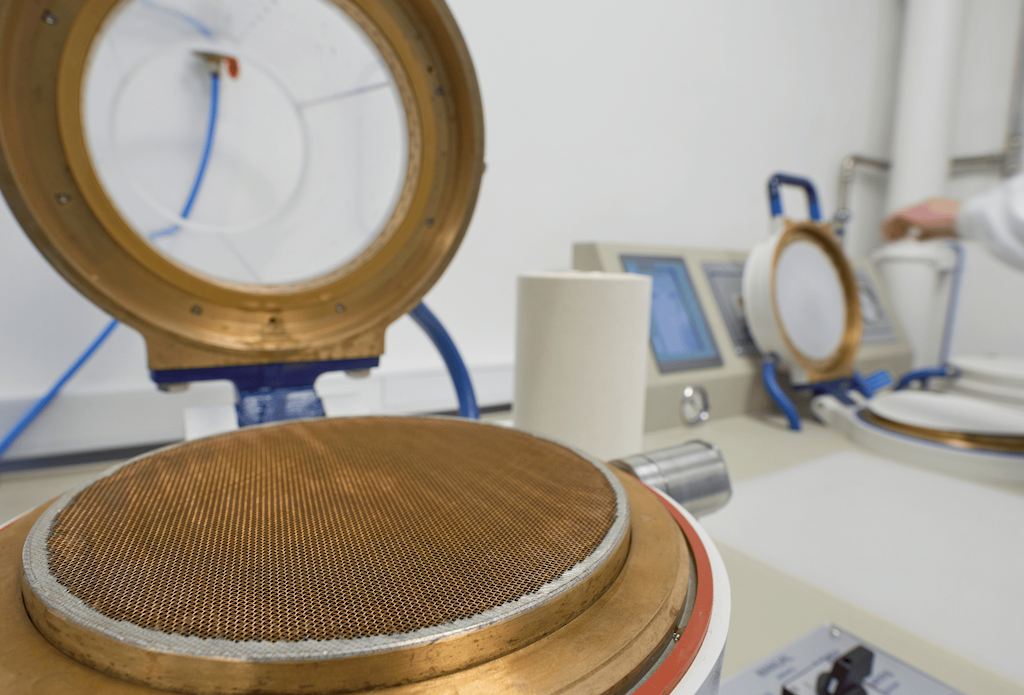
CEPI Recyclability Test Method being performed at the Blois lab
Preparing Packaging for the Future
UK Packaging EPR and PPT are reinforcing the connection between packaging design, sustainability, and business performance. As companies evaluate packaging materials, recyclability, recycled content, and reporting requirements, every packaging component deserves consideration.
Adhesives and coatings may represent only a small portion of total package weight, but they can play an important role in supporting recyclable packaging designs and circular economy objectives. By combining technical expertise, testing capabilities, and sustainable packaging solutions, H.B. Fuller can support customers to develop packaging designs that perform throughout the value chain and are better prepared for the future of packaging regulation.
Disclaimer: This article is for informational purposes only and is not legal or regulatory advice. This article is based on publicly available information that has not been independently verified and should not be relied upon. The article may be changed without notice and is not guaranteed to be complete, correct or up to date. The opinions expressed in this article are the opinions of the author and not those of H.B. Fuller Company.
博客分类
档案
- 2026
- 2025
- 2024
- 2023
- 2022