From Steam to Sustainable: How Adhesives Shape Modern Manufacturing and enable Sustainability
Posted 22 4月 2026 by Elizabeth Staab, HHC Product Sustainability Director
Each Earth Day serves as a collective pause — a reminder that modern progress often comes with costs. For decades, industries across the globe drew heavily on the planet’s resources, prioritizing speed, scale, and short-term efficiency over long-term stewardship. Today, however, a fundamental shift is underway. Circularity is redefining how products are designed, manufactured, used, and recovered, driving industries to rethink materials, processes, and responsibility across the entire lifecycle. Nowhere is this transformation more evident than in manufacturing, and alongside adhesive technologies are the unsuspected ally to enable lighter structures, smarter assemblies, enabling more sustainable outcomes for products across many industries.
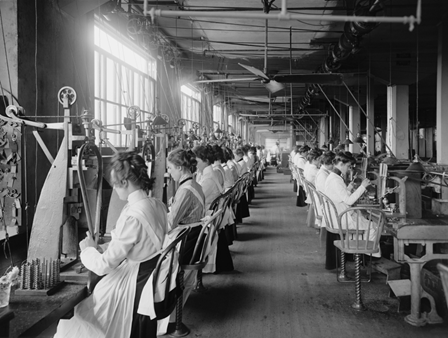
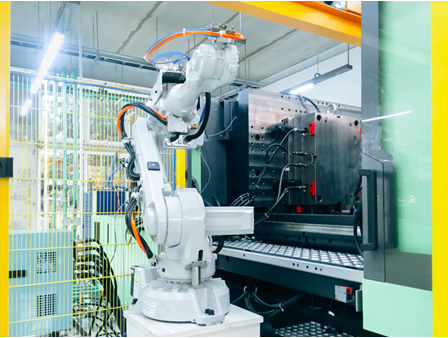
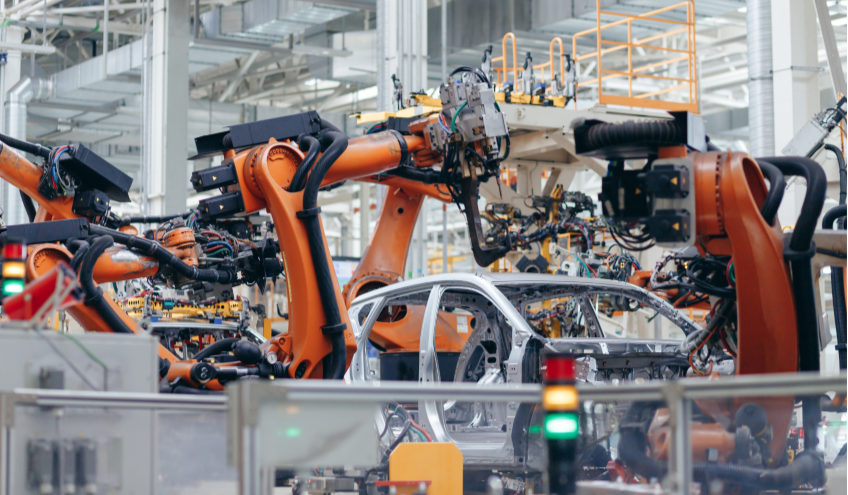
The evolution of manufacturing has unfolded across a series of transformative leaps that fundamentally reshaped how goods are made. Beginning with the first steam powered machines of the 18th and 19th centuries, factories shifted from manual craft to mechanized production. The introduction of interchangeable, standardized parts enabled true scalability by allowing components to fit reliably without custom fitting. Electrification later untethered machines from centralized power shafts, increasing layout flexibility and boosting productivity. The moving assembly line accelerated throughput and drove down cost, while industrial robots introduced unprecedented levels of consistency, precision, and safety. In the late 20th century, Lean Production and Just in Time (JIT) reframed manufacturing around waste elimination, flow efficiency, and value creation. Today, Industry 4.0 with its digital twins, advanced sensors, automation, and data driven decision-making integrates all prior advances into cyber physical systems designed for performance, adaptability, and sustainability. Each phase provided new capabilities that expanded what products could be made, how efficiently they could be assembled, and how well they could support societal expectations.
While these waves of industrial innovation progressed, a material revolution emerged quietly but significantly: adhesives. Their industrial use began in the late 1800’s, initially for simple bonding tasks for woodworking, paper and some packaging applications, but quickly grew more sophisticated as new chemistries, substrates, and performance requirements appeared. Over time, adhesives established themselves as the go to joining technology, replacing mechanical fasteners, rivets, stitches, and staples in countless applications. Today, adhesives are ubiquitous: found in shoes and clothing, packaging, furniture, automotive and e-mobility systems, electronics, medical devices and wound treatments, as well as beauty products, to name a few. Their impact on manufacturing efficiency and product design has been profound. Adhesives enable lighter structures, eliminating the need for heavy hardware, they support faster production cycles through automation and highspeed dispensing, and they contribute to lower overall costs by reducing parts and simplifying assembly steps. As industries advance, they increasingly rely on adhesives not only for performance, but also to help meet rising expectations for sustainability.
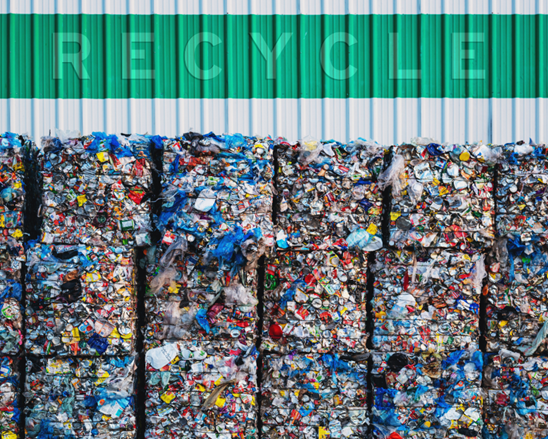
Sustainability has become central to modern manufacturing, not merely as an environmental objective, but as a holistic balance of environmental, economic, and social value. Because adhesives are embedded in virtually every sector, they play a pivotal role in achieving this sustainability sweet spot. One crucial area is end-of-life management. Packaging is a prime example: consumers interact with packaging daily and expectations around recycling and responsible waste treatment continue to grow. The right adhesive selection directly influences recyclability. Adhesives used in cardboard boxes, glass or PET bottle labels, or mono-material flexible packaging can be engineered to wash off, separate, or integrate into the main material during recycling processes. Developers who understand the full recycling process can formulate adhesives that preserve the quality of reclaimed paper fibers, PET flakes, or plastic films. When combined with an effective recycling infrastructure, these tailored adhesives help maintain high value material cycles, reducing the need for virgin resources and lowering environmental impact.
Mattress recycling illustrates another important dimension. The pocket springs in mattresses are typically encased in nonwoven pockets, which are commonly bonded using hot melt adhesives. Adhesives, such as Prodas 2555TM, formulated with the end-of-life process in mind enable seamless recycling of the non-woven material. Once a mattress reaches the end of its useful life, the springs can be removed and the nonwoven material recycled with the adhesive designed for this purpose. This supports a closed-loop system,reduces waste, and diminishes reliance on virgin nonwoven materials.
Beyond end-of-life, adhesives also enhance product performance, enabling safer, lighter, and more energy efficient solutions. Consider electric vehicle (EV) batteries, where strict requirements for range, weight, safety, and thermal stability define market viability. Adhesives, coatings, and encapsulants together create a comprehensive thermal management system. Adhesives bind internal cell components, dielectric coatings provide both electrical insulation and heat-transfer capability, structural adhesives secure cells to the cold plate to create a stable thermal pathway, encapsulant foams enable thermal exchange while isolating overheating cells, and thermally conductive adhesives help move heat between cells and cooling components. Together, these materials allow the battery pack to operate safely within its ideal temperature range, maintain low weight, and achieve a long driving range and longevity of the EV battery itself, essential factors for the success of electric vehicles.
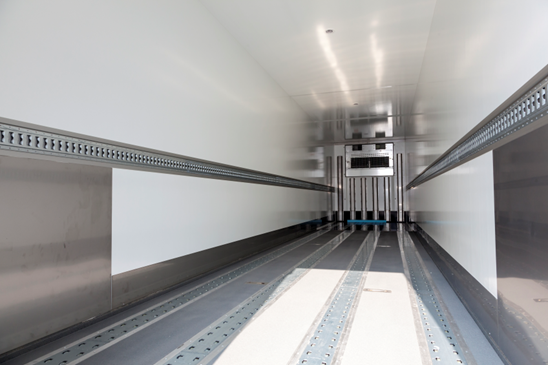
Adhesives also transform the construction of refrigerated truck trailers, another key contributor to transportation emissions. Traditional trailers rely on metal skins fastened to heavy structural polls with rivets. By contrast, adhesive bonded sandwich panels for the sides and roof improve insulation while creating a lighter structure. Production becomes faster and less expensive because fewer mechanical steps are involved, and the resulting lighter refrigerated trailer consumes less fuel on the road. Adhesives, in this case, deliver clear environmental, economic, and performance benefits: the sustainability sweet spot.
The construction sector offers a further compelling example through insulated glass windows. Thermoplastic spacers (TPS) replace conventional spacer assemblies made from metal and silicone, delivering significantly enhanced gas barrier properties and durability, often exceeding 50 years. TPS improves the thermal transmittance (U-value) of windows, which is critical for building energy efficiency. In high-profile architectural projects, such as One River North in Denver, the Amazon Rufus in Seattle, or The Sphere in Las Vegas: the combination of performance, longevity, and design freedom makes TPS indispensable. Here again, adhesives and adhesive-like materials elevate both technical performance and sustainability.
Looking forward, the next frontier of adhesive innovation is debonding on demand: materials designed to hold firmly during a product’s life but release selectively under specific triggers, such as heat, light, magnetic induction, or mild chemicals. This paradigm shift is especially relevant in electronics, e-mobility, and automotive applications, where assemblies are highly complex. The key question is not whether products can be disassembled, but whether is it practical, economical, and environmentally meaningful. In automotive recycling, for instance, removing seat fabrics before compressing and melting the chassis may not justify the effort. By contrast, repairing or harvesting components from electronics such as batteries, screens, or circuit boards can have substantial value.
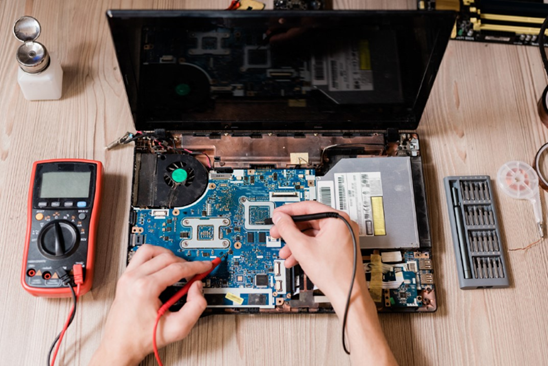
An entire industry has developed around repairing and refurbishing cell phones, tablets, computers and similar devices. For these products, design for repairability is crucial to make the best use of valuable metals, rare earths and other components that easily outlive the selling cycle of model updates. Adhesives engineered for controlled debonding make such targeted disassembly possible, supporting repairability, reuse, and circularity without compromising durability in use.
Across all these examples, the throughline is clear: adhesives are no longer merely functional materials for bonding. They are strategic enablers of performance, manufacturability, and sustainability. As industries continue to evolve toward cleaner, smarter, and more circular systems, adhesives designed thoughtfully and used intentionally make this new paradigm not only achievable, but scalable.