

胶水话题博客
Cosmetics typically contain anywhere from 15 to 50 ingredients for stability, durability, and performance. Ensuring each and every ingredient is safe for consumers is critical, especially given increasing regulatory scrutiny and rising consumer demand for transparent labeling. Here, we’ll cover why beauty product safety is a trending topic and how companies can rest assured that the adhesives used in their beauty products meet safety requirements.
Why Safety is a Growing Priority in the Beauty Industry
Consumers Demand Safe Ingredients
Consumers are increasingly aware of the formulation of everyday beauty products, as evidenced by the popularity of the Environmental Working Group (EWG) consumer guides to chemicals in products. Also, a recent McKinsey survey found that many consumers, including almost 50% of Generation Z, researched product ingredients extensively before purchasing beauty products.
Demand for transparency in cosmetics is driving the growth of the clean beauty industry. According to consultancy Nielson IQ, sales of clean beauty and personal care products have grown over 8% in the last few years, compared to just 2% for the rest of the category.
“People care a lot about what goes into the products they use,” explains Laura Suarez, Beauty Marketing Leader at H.B. Fuller, “Customers are even more aware right now of specific chemical compounds in beauty products, which has a big impact on the market overall.”
Beauty Companies Must Meet Safety Standards
Many beauty companies recognize the change in consumer preferences and are working to adjust messaging and product positioning accordingly. However, marketing is only part of the change for beauty companies. In recent years, they have also come into more scrutiny over product recalls.
One of the most high-profile cases is that of the Johnson & Johnson spin-off company Johnson’s Baby Powder. After consumers began getting sick, the US Food and Drug Administration (FDA) announced the company voluntarily recalled the product, saying a batch of the powder may have been contaminated with asbestos. Since the recall, Johnson & Johnson plans to pay $6.5 billion to resolve thousands of lawsuits from consumers claiming the product caused cancer.
More recent cosmetics recall cases include Suntegrity Skincare, where batches of sunscreen foundation had a microbiological mold count that exceeded the acceptable limit, and Shop Me Ca for potential lead contamination of a baby skin cream product. Although not all recalls result in lawsuits, they can cause lasting damage to a brand’s reputation and must be avoided at all costs.
Suarez explains, “You can only get one chance with your customers. If you fail the first time, there are many other options they can choose from. We help the beauty companies we work with keep their customers by manufacturing a good, consistent product they can trust.”
Regulators Require Higher Safety Standards
The focus on ingredients in beauty products is also heightened due to recent regulatory changes. In 2022, the FDA passed the Modernization of Cosmetics Regulation Act (MoCRA) to help ensure cosmetic products, such as makeup, nail polish, moisturizers, and more, are safe for consumers. Although the FDA has monitored the safety of cosmetics for years, MoCRA gives officials more authority in the process. Under MoCRA, the FDA can issue mandatory recalls, require adverse serious event reporting, and establish enforceable requirements for manufacturing, labeling, and testing cosmetics.
Regulatory agencies worldwide also have strict requirements for beauty companies. For example, the European Union requires companies to list ingredients in a cosmetics database and undergo a rigorous scientific safety assessment for each product. In South America, four countries abide by cosmetics regulations under a single body, the Andean Community (Comunidad Andina, CAN) consortium. Products registered under CAN must, among other requirements, include qualitative formulas and follow ingredient restrictions from many other regulatory bodies.
Beauty Product Safety Starts in the Supply Chain
Although beauty companies are held responsible for product safety, ensuring safe products starts much earlier—with raw ingredients used in the products. Beauty products go through quite a journey before ending up in consumers’ medicine cabinets and bathroom countertops. Safety must be part of each step in the journey (Figure 1).
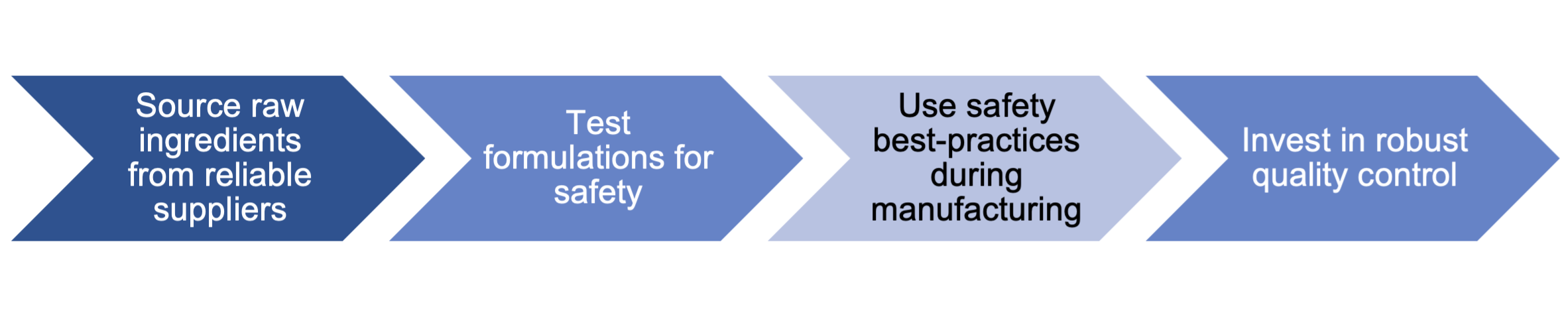
Figure 1. Ensuring Product Safety Throughout the Supply Chain.
The adhesives that go into beauty products, such as lash extenders, waxing products, and nail and hair care products, are an integral part of the supply chain of well-known beauty brands. Adhesive companies must ensure adhesives are safe for consumers during development, testing, and manufacturing, including:
- Formulating products that are gentle on the skin upon application, wear, and removal
- Creating vegan, cruelty-free adhesives with non-hazardous materials
- Abiding by all applicable regulatory requirements
3 Ways Cosmetic Adhesive Manufacturers Ensure Product Safety
When companies in the beauty industry source adhesives for their products, they need to know that the adhesives are safe for consumer use. The following three points cover how adhesive manufacturers work behind the scenes to ensure product safety.
#1 Investing in Research and Development for Consumer-Safe Adhesives
Some manufacturers focus on first creating adhesives to meet a problem and then testing them for safety or leaving testing to the customer. Manufacturers who prioritize safety, in contrast, identify safe components before developing formulations. This process means companies are not left with a formula that does all the right things (e.g., keep away moisture, dry quickly, not peel away skin when coming off) but doesn’t meet safety standards.
Nathan Schneider, leader of H.B. Fuller’s Health Hygiene and Consumables team, describes testing a key ingredient for a new product. His team was researching cyanoacrylates, chemical compounds commonly used in cosmetics adhesives to create strong bonds quickly. Before building the formulation, they tested around fifty raw materials, looking for indicators that they could be unsafe for human use. In addition to testing chemical elements, the team runs cytotoxicity tests on all formulations to ensure their safety.
Schneider explains, “The formulation development process is iterative and collaborative—we’re constantly going back and forth and making slight tweaks to get to where our customers need to be. We’re doing the work on the front end so that we don’t get stuck in a situation where a partner likes a product, but we don’t feel it is good for the market.”
#2 Creating Dedicated Regulatory Teams
Adhesive manufacturers also prioritize safety by having people in place to ensure products meet regulatory requirements. Dedicated regional teams ensure manufacturers meet changing regulatory requirements worldwide. For example, the European Union has different requirements for water-based adhesives than the United States. Understanding and navigating these differences makes a huge difference in whether an adhesive can be used in beauty products in these parts of the world.
#3 Sourcing Safe Materials from Suppliers
Safe products start with safe materials all the way down the supply chain, including those sourced by adhesive manufacturers. Some companies may source whatever ingredients are the least expensive. However, adhesive manufacturers who prioritize safety work with suppliers to ensure the raw materials meet regulatory requirements. This means more work upfront for the manufacturers but saves their customers from potential problems when building ingredient lists. Saurez explains,
“We want our partners to trust our scientific and regulatory expertise so they can be confident in buying the products. We're coming up with formulas and checking raw materials beforehand so that customers don’t need to think about those factors when reviewing the portfolio.”
Partnering with H.B. Fuller for Safe Beauty Products
Product safety is increasingly a priority for beauty companies—consumers demand it, companies need it, and regulators require it. H.B. Fuller is deeply committed to finding innovative ways to develop safe adhesives and has a demonstrated history (over 130 years) of creating high-quality, specialized adhesives. We ensure safe cosmetic adhesives for our partners by:
- Employing a dedicated regulatory team with regional subgroups to help clients meet requirements regardless of location
- Manufacturing beauty adhesives in an ISO 9001:2015 certified plant that meets quality assurance requirements
- Developing new products with safe ingredients to meet specific customer needs
H.B. Fuller offers a wide portfolio of high-performing beauty products that customers can choose from without worrying about consumer safety. We also provide contract services to help get your products to market quickly, including formulation development, bulk formats, packaging development, carton and master pack kitting, bottle and tube filling, and quality and regulatory services.
Connect with an H.B. Fuller specialist today to explore adhesive solutions for your beauty product needs.
档案
- 2026
- 2025
- 2024
- 2023
- 2022