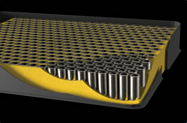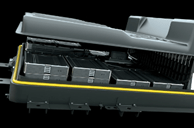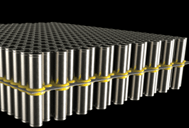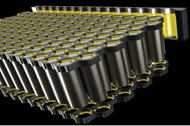
Debonding on Demand in Electric Vehicle Batteries: The Future of Efficient Recycling and Reuse
Read our latest blog to learn how material selection can influence the ability to rework, dismantle, or recycle a battery during manufacturing or at end-of-life.
Frequently Asked Questions
-
Why is weight reduction so important for EVTOLs?
Weight reduction is crucial for eVTOLs (electric vertical takeoff and landing aircraft) because it directly impacts their efficiency, range, and overall performance. Lighter aircraft require less energy to lift off, hover, and fly, allowing for longer flight times and greater payload capacity. Additionally, reducing weight helps improve the energy efficiency of the battery systems, which is vital for the sustainability and cost-effectiveness of eVTOL operations. By minimizing weight, eVTOLs can achieve better fuel economy, faster speeds, and lower operational costs, making them more viable for commercial use and urban air mobility applications.
-
How can low density foams help make EVTOLs safer in the future?
Low-density structural foams can play a key role in making eVTOLs safer by providing enhanced protection for battery packs. These foams act as a cushioning material that absorbs shock and vibration, reducing the risk of damage to the delicate battery cells during flight. In the event of a crash or hard landing, the foam can help minimize the impact on the battery pack, reducing the risk of thermal runaway, fires, or explosions. Additionally, the lightweight nature of low-density foams contributes to overall weight reduction, which is critical for eVTOL performance. By offering both structural support and safety, these foams are essential in enhancing the reliability and protection of battery systems in future eVTOL designs.
-
Why should I seal my EVTOL battery pack?
Sealing your eVTOL battery pack is essential to protect it from the impact of pressure changes with height and varying environmental or atmospheric conditions. As eVTOLs ascend or descend, the external air pressure can fluctuate, which may cause internal pressure imbalances in the battery pack. Sealing the pack helps maintain consistent internal pressure, preventing damage to sensitive components and ensuring the safety and reliability of the system. Additionally, a sealed battery pack protects against moisture, dust, and other environmental contaminants, which could affect battery performance and longevity. By sealing your battery pack, you ensure that it remains protected from the stresses of altitude changes and harsh atmospheric conditions, enhancing overall performance and safety.
-
How can adhesives and encapsulants help me pass the FAA 50 ft or 100 ft battery pack crash worthiness/drop test?
Adhesives and encapsulants can help you pass the FAA 50 ft or 100 ft battery pack crash worthiness/drop test by providing critical impact resistance and distributing stress across a wider area. The adhesive materials absorb and dissipate the force from impacts, preventing damage to the battery cells and internal components. By creating a strong bond that maintains the integrity of the pack, adhesives and encapsulants increase the overall rigidity and robustness of the battery system. This ensures that the pack remains intact and operational even after high impact drops, allowing you to meet stringent safety standards and pass the required crash tests.
At H.B. Fuller, our global reach enables us to share technical knowledge and innovate in an interconnected world. Our commitment to local expertise results in strong partnerships that serve diverse people and industries – improving countless products and the lives of those who use them.