


Innovative Coating Solutions for Energy Storage and Battery Packs


Navigating Electric Vehicle Battery Design Trends
Read our latest blog which offers a deep dive into the trade-offs and considerations of cell-to-module, cell-to-pack and cell-to-chassis designs.
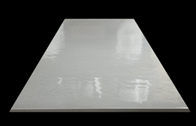
Featured Product: EV Therm 601
This flame-retardant material is designed to enhance the safety of batteries. It expands when exposed to heat, creating a protective barrier that can help prevent thermal runaway. It improves durability and reliability, enabling a safer, longer-lasting battery.
Key Benefits:
–Fast cycle time
–Lower scrap rate when compared to epoxy or powder coating
–High dielectric strength
Working with H.B. Fuller’s Battery Team
H.B. Fuller leverages over 130+ years of material knowledge and expertise to support the clean energy market with advanced solutions tailored for battery, energy storage, wind & solar applications. Our specialized adhesives, sealants, and thermal management materials are engineered for the unique demands of these markets, including enhanced safety, durability, and stability.
With a comprehensive understanding of materials science and industry challenges, we offer products that improve performance, streamline manufacturing, and ensure long-term reliability. By partnering with H.B. Fuller, manufacturers gain access to cutting-edge materials and expert guidance for optimized, high-quality systems in a competitive market.
- Strategic sourcing
- A team of unified R&D experts
- 10,000+ adhesives in our portfolio
- Formulated with variety of chemistries
H.B. Fuller’s clean energy team brings global expertise with a strong local focus, ensuring tailored support wherever you operate. Our network of experts understands regional market demands and compliance requirements, allowing us to deliver solutions that are both innovative and precisely adapted to local needs.
We collaborate closely with customers worldwide to provide on-the-ground insights and rapid responses, all backed by the extensive resources of a global leader. With a commitment to localized service and global knowledge, we empower our partners to succeed in diverse markets with materials that meet the highest standards of quality, safety, and performance.
H.B. Fuller offers robust technical support and testing capabilities to help customers achieve peak performance in their clean energy applications. Our dedicated technical team collaborates closely with you to understand specific challenges and optimize material solutions, ensuring they meet the highest standards.
With state-of-the-art testing partnerships and expertise in battery, energy storage, wind & solar applications, we provide insights that accelerate product development and enhance your designs. Our commitment to technical excellence means you can count on us for precise guidance and real-world testing to ensure every solution delivers exceptional results.
At H.B. Fuller, we don’t just offer off-the-shelf solutions—we take the time to understand your specific design requirements and formulate a tailored solution that precisely meets your needs. Our team collaborates closely with you, leveraging deep industry expertise and advanced R&D capabilities to create materials that enhance performance of your unique applications. From custom adhesives to specialized thermal management products, we’re committed to delivering innovative, fit-for-purpose solutions that empower you to succeed in a competitive market.
Frequently Asked Questions
-
What is a dielectric coating and how does it protect batteries?
-
Are dielectric coatings resistant to high temperatures?
-
How do dielectric coatings compare to epoxy or powder coatings?
View Related Pages
 Flame-Retardant Foams: The "Seatbelt" of Battery Safety
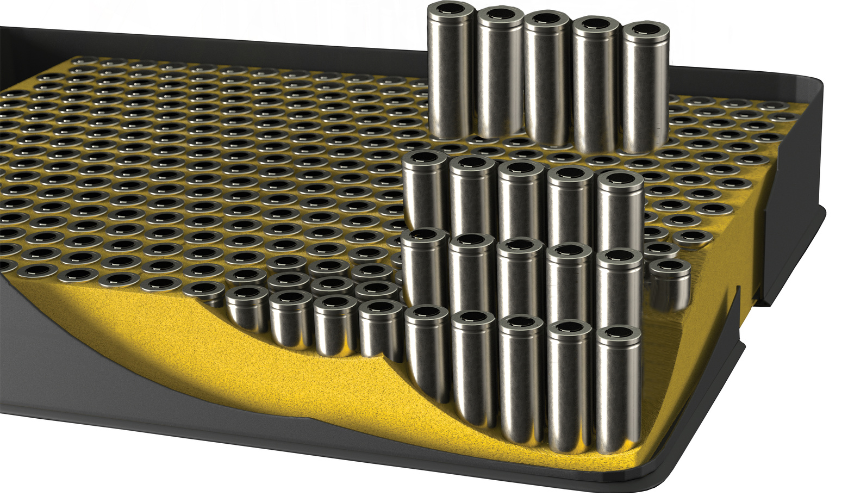
 Battery Trends of 2025: What’s Powering the Future of Energy?
The electric vehicle (EV) revolution is well underway. In recent years, EVs have moved from niche market disruptors to mainstream transportation options, with global automakers making substantial investments in electrification. As the adoption of electric mobility accelerates, the focus is shifting from early-stage transformation to fine-tuning the technologies that will shape the next generation of batteries.