

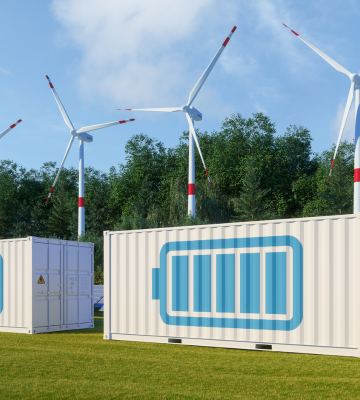
Energy Storage Systems
Optimizing Clean Energy Storage and Conversion
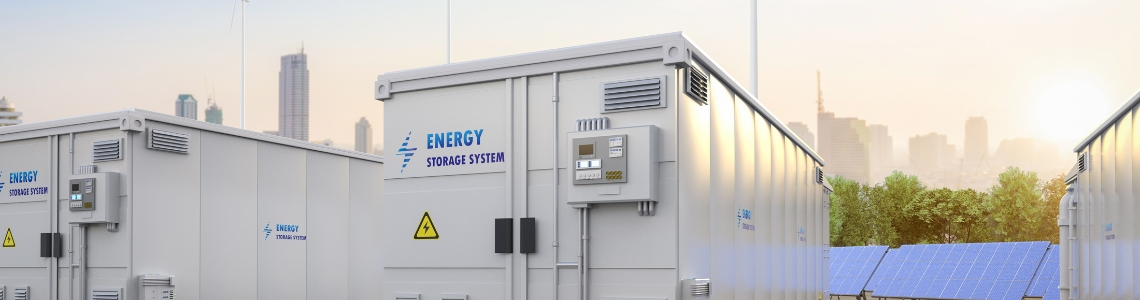
Energy storage is a vital technology that supports the transition to a more sustainable and resilient energy future. From home-based systems that store excess solar power to large-scale grid-level solutions that stabilize energy supply, energy storage ensures reliable access to power whenever it's needed. Whether for residential, commercial, or industrial applications, H.B. Fuller's portfolio of clean energy products is key to enhancing efficiency, reliability, and sustainability across all levels.
Solutions for Energy Storage Systems
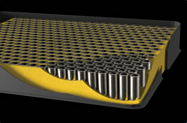
Flame Retardant Foam

Coatings
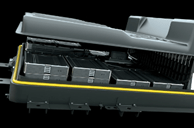
Sealants & Gaskets
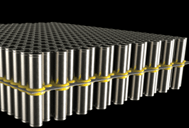
Thermal Management Materials
Adhesives & Structural Bonding
Did you know we have a podcast?
Listen to episode 11 of Battery Buzz: Innovations in Energy Storage with Jon Williams, CEO of Viridi Parente. We dive into the grid revolution and discuss how energy storage will redefine the way we think about power.

Featured eBook
Learn about advanced thermal management solutions that enhance the performance and safety of electric vehicle (EV) battery and energy storage systems (ESS). This eBook explores why thermal management is crucial to batteries and goes in-depth into cutting-edge materials and technologies designed to optimize heat dissipation and protect battery systems.
Frequently Asked Questions
-
Why would an energy storage system need flame retardant foams?
-
What safety precautions can I use to make my energy storage system safer?
-
What cell chemistries and formats are used for energy storage systems?
At H.B. Fuller, our global reach enables us to share technical knowledge and innovate in an interconnected world. Our commitment to local expertise results in strong partnerships that serve diverse people and industries – improving countless products and the lives of those who use them.