
Advanced Adhesive Technologies for Safety, Comfort, and Efficiency in Bus Manufacturing
Bodywork
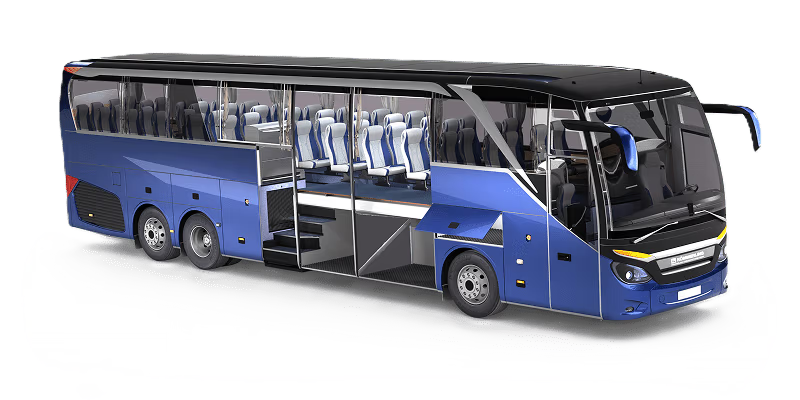
Adhesive solutions for bus bodywork offer enhanced flexibility and long-lasting durability. They help reduce noise and vibration, prevent corrosion, and eliminate thermal stress when bonding side panels. These solutions also support lightweight designs through multi-material integration, contributing to overall vehicle
• Flexible, durable bonding with reduced noise and corrosion
• PUR, MS Polymer, Butyl, Butyl Tapes
• Flexible, durable bonding with reduced noise and corrosion
• PUR, MS Polymer, Butyl, Butyl Tapes
Seam Sealing
H.B. Fuller’s adhesive solutions for seam and gap sealing provide robust protection against moisture, dirt, and exhaust, enhancing vehicle longevity and performance. They contribute to improved aesthetics and corrosion prevention, while also reducing noise levels. These adhesives enable greater design freedom, supporting innovative and efficient bus construction.
• Protection against moisture, dirt, and exhaust with improved aesthetics
• PUR, MS Polymer, Butyl, Butyl Tapes
• Protection against moisture, dirt, and exhaust with improved aesthetics
• PUR, MS Polymer, Butyl, Butyl Tapes
Module Assembly
H.B. Fuller’s adhesives and sealants support efficient module assembly in bus manufacturing, bonding components like flaps, doors, and roof or mask sections made from diverse materials. These solutions enhance safety, offer weatherproof and temperature-resistant performance, and are available for both manual and automated application. They enable greater design flexibility and contribute to improved aerodynamics, helping reduce energy consumption while accelerating production timelines.
• Bonding of flaps, doors, and panels for safety and aerodynamics
• PUR, MS Polymer, Butyl, Butyl Tapes
• Bonding of flaps, doors, and panels for safety and aerodynamics
• PUR, MS Polymer, Butyl, Butyl Tapes
Interior Construction
H.B. Fuller’s adhesive and sealant technologies enable advanced interior solutions in bus manufacturing by bonding materials like plastic, wood, and textiles without mechanical fixation. These solutions enhance design flexibility and passenger comfort, while also improving safety and functionality. Additionally, they provide effective noise and vibration damping for a quieter ride experience.
• Adhesives for mounting panels, dashboards, and flooring without mechanical fixation
• Acoustic decoupling reduces interior noise
• Reactive Hot Melt (HMMC), Water-based, Solvent-based
• Adhesives for mounting panels, dashboards, and flooring without mechanical fixation
• Acoustic decoupling reduces interior noise
• Reactive Hot Melt (HMMC), Water-based, Solvent-based
Glazing
H.B. Fuller’s glazing and bonding technologies for bus manufacturing ensure secure sealing of glass components while delivering multiple performance advantages. These solutions support weight reduction for improved fuel efficiency, enhance body stability, and offer corrosion protection. They also provide acoustic insulation, reduce vibrations, and improve aerodynamics. With water resistance and compatibility with fast production processes, they help manufacturers achieve both quality and efficiency.
• Bonded windows enhance chassis stability and reduce weight
• PUR, MS Polymer, Silicone
• Bonded windows enhance chassis stability and reduce weight
• PUR, MS Polymer, Silicone
Flooring Construction and Covering
H.B. Fuller’s adhesive and sealant solutions play a key role in bus floor construction by reducing noise and vibration, preventing corrosion, and supporting fast, efficient production. For floor coverings, these technologies ensure secure bonding across various materials, contributing to enhanced durability, comfort, and design flexibility—all while streamlining the installation process.
• Adhesives for floor construction and covering with noise damping and corrosion resistance
• PUR, MS Polymer
• Adhesives for floor construction and covering with noise damping and corrosion resistance
• PUR, MS Polymer
Threadlocking, Sealing, and Retaining
H.B. Fuller’s threadlocking solutions prevent screws, nuts, bolts, and studs from loosening due to shock or vibration, while offering rust and corrosion protection, controlled torque, and easy, cost-effective application. Thread sealing technologies ensure reliable prevention of liquid and gas leaks, resist loosening from vibration, and provide corrosion protection with simple application. Retaining adhesives securely fix bearings, bushings, and cylindrical parts, helping reduce maintenance needs and avoid costly repairs.
• Prevent loosening and leakage in mechanical assemblies
• Prevent loosening and leakage in mechanical assemblies
Rubber Profile Bonding
H.B. Fuller’s adhesive and sealant solutions enable greater design freedom by allowing the joining of dissimilar materials without mechanical fixation, while offering water resistance and protection against contact corrosion. These technologies support fast assembly, improve aerodynamics, and provide effective noise and vibration damping for both interior and exterior applications. They also contribute to more efficient air-conditioning systems through enhanced sealing performance.
• Flexible bonding for dissimilar materials with no contact corrosion
• MS Polymer, Cyanoacrylate
• Flexible bonding for dissimilar materials with no contact corrosion
• MS Polymer, Cyanoacrylate
Underbody Protection
H.B. Fuller’s adhesive and sealant solutions offer excellent resistance to water, salt water, brake fluid, and a wide range of chemicals, making them ideal for demanding bus environments. They provide outstanding weather durability, prevent corrosion, and deliver effective sound damping. Additionally, these products are overpaintable, allowing for seamless integration into the final vehicle design.
• Water-based, durable coatings for corrosion and sound protection
• MS Polymer, Hydroarmor
• Water-based, durable coatings for corrosion and sound protection
• MS Polymer, Hydroarmor
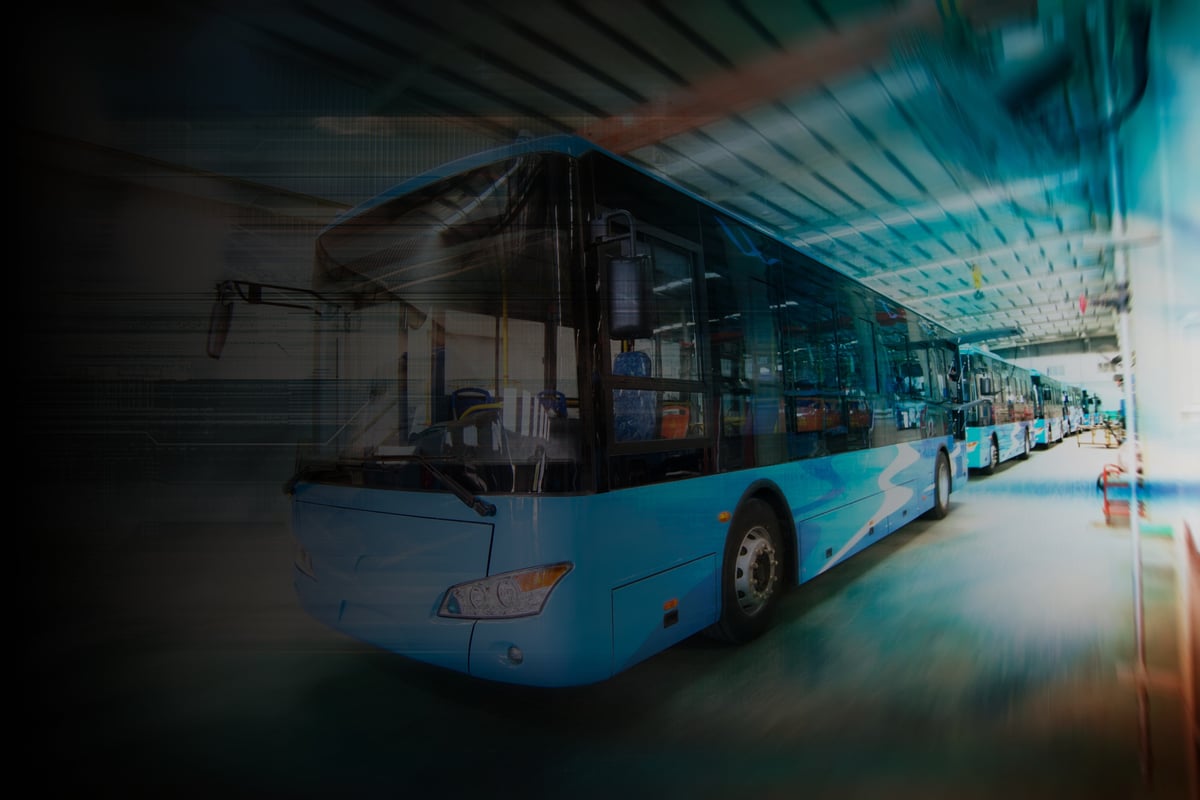
Enabling Lightweight Bus Manufacturing
Read how one customer was able to achieve the following results using H.B. Fuller’s range of
adhesives and sealants for bus manufacturing.
• Improved Lightweighting
• Power Saving
• Increased Distance Capability
• Improved Production Process
• Reduced Cycling Times
• Lower Costs
• Enhanced Sound and Vibration Damping
adhesives and sealants for bus manufacturing.
• Improved Lightweighting
• Power Saving
• Increased Distance Capability
• Improved Production Process
• Reduced Cycling Times
• Lower Costs
• Enhanced Sound and Vibration Damping
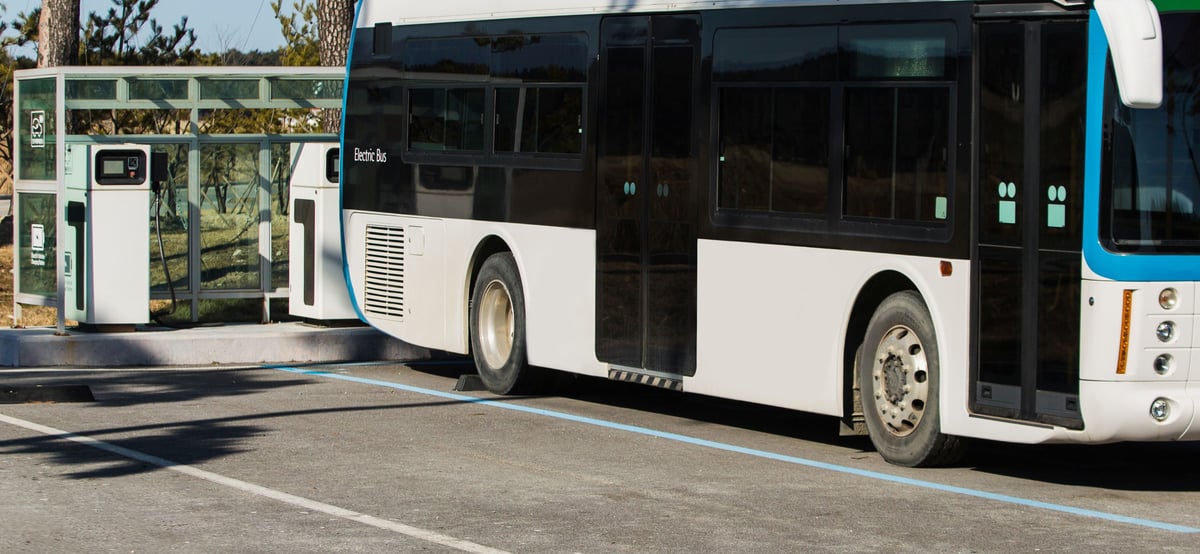
Electric Bus Adhesive and Sealant Solutions
H.B. Fuller is committed to supporting electric bus manufacturers with advanced adhesive and sealant technologies that enhance the safety, durability, and performance of battery systems. Our comprehensive solutions are designed to meet the unique demands of large-format battery packs used in electric buses, offering reliable bonding for cell-to-carrier and cell-to-cold plate applications, structural bonding of enclosures, fire protection encapsulation, dielectric coatings, and thermal interface materials (TIMs).
FAQ : General Bus Manufacturing
-
What adhesive and sealant solutions are used in bus manufacturing?
-
Where are adhesives used in a bus?
-
Why are adhesives used instead of welding, bolts or rivets?
-
Can adhesives support lightweight bus design?
-
How can adhesives help reduce noise and vibration in a bus?
-
What is bus bodywork bonding?
-
How are bus windows bonded?
-
What is seam sealing in bus manufacturing?
-
Which adhesives are used for bus interior construction?
-
How are bus floors bonded?
-
How are rubber door and window profiles bonded?
-
What do threadlockers, thread sealants and retaining compounds do?
-
How are adhesives and sealants used in electric buses?
-
What adhesive technologies are available for bus manufacturing?
-
How should manufacturers select a bus adhesive or sealant?

Request A Quote For Your Next Project
To submit an inquiry to H.B. Fuller, please fill out the form and click Submit. We will get back to you as soon as possible.