


Emergency and Specialty Vehicle
Engineered for Critical Safety and Structural Reliability
Our range of emergency vehicle adhesives and sealants is carefully developed to meet key performance needs, and includes:
- Safe Flooring Adhesives: Delivers exceptional bond strength for anti-slip flooring systems, helping to ensure safe movement during transport
- Leak-Proof Vehicle Sealants: Formulated to provide watertight and airtight sealing for sidewalls, roof joints, and panel edges
- Life-Saving Equipment Adhesives: Permanent, high-strength bonding solutions for mounting emergency lighting, stretchers, storage units, oxygen tanks, and other critical gear
Every product is engineered to help emergency vehicles operate safely, efficiently, and reliably, even under extreme working conditions and repeated high-impact use.
Benefits of H.B. Fuller Emergency Vehicle Adhesives
Our adhesives and sealants go beyond standard bonding, and offer tangible operational and cost-saving benefits:
- Weight Reduction: Advanced adhesive technologies reduce reliance on mechanical fasteners, lowering the overall vehicle weight and contributing to improved fuel economy
- Corrosion Resistance: Specialized corrosion-resistant adhesives extend vehicle lifespan and reduce maintenance downtime
- Enhanced Durability: Engineered to withstand vibration, moisture, UV exposure, and temperature fluctuations for long-term reliability
- Custom Adhesive Solutions: Tailored to meet OEM manufacturing requirements and field-use durability across a range of emergency vehicle designs
Trusted Partner for Commercial and Specialty Vehicle Manufacturers
H.B. Fuller provides multi-functional adhesive solutions for modern commercial vehicles, including transit buses, utility trucks, and mobile command centers that offer the same performance, customization, and reliability expected in emergency applications.
Our global network of engineers and technical support teams work directly with OEMs to integrate high-performance adhesives into their production lines, reducing complexity and boosting assembly efficiency.
Applications Include:
- Interior and exterior panel bonding
- Floor system installation
- Roof and sidewall sealing
- Mounting brackets and emergency equipment
- Windows, doors, and access hatches
- Structural bonding and vibration damping
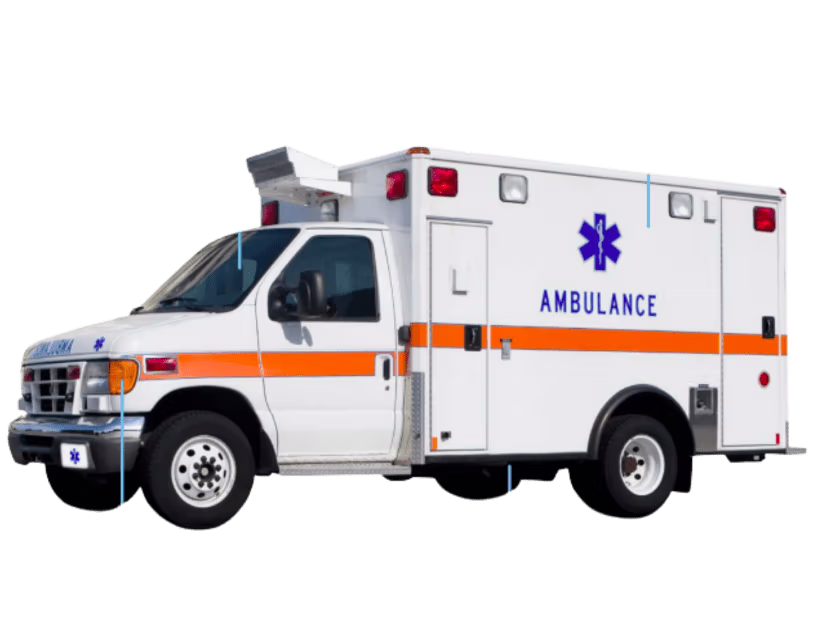
Access Doors and Hatches
Doors, hatches, and access panels require sealing and bonding solutions that support repeated use and environmental exposure. Adhesives and sealants may be selected to help manage water, air, vibration, and durability requirements.
Equipment Mounting
Emergency and specialty vehicles often include mounted storage, lighting, brackets, and life-support equipment. Adhesive technologies may support selected mounting and assembly applications where durable bonding is required.
Exterior Seam Sealing
Exterior seams and joints can be exposed to water, temperature changes, and movement. Sealant technologies can help close gaps and support protection around body seams, panel transitions, and exterior assemblies.
Flooring Systems
Emergency vehicle floors need secure bonding for demanding interior use. H.B. Fuller adhesive technologies may be evaluated for flooring systems based on the flooring material, substrate, installation method, and end-use conditions.
Glazing and Sealing
Adhesive and sealant technologies can support window bonding and sealing applications in emergency and specialty vehicles. These solutions help address issues of secure installation, environmental exposure, and long-term performance requirements.
Roof Sealing
Roof joints and seams are often exposed to moisture and movement extremes. H.B. Fuller sealant technologies can help support watertight sealing for roof assemblies, panel edges, and related exterior joints.
Sidewall Panel
Sidewall panel bonding helps support durable vehicle construction while enabling design flexibility. Adhesive solutions may be used to bond panels and substrates used in ambulances, fire trucks, rescue vehicles, and other specialty vehicle body assemblies.
Structural Bonding
Structural bonding adhesives can help bond vehicle components while supporting strength, durability, and lightweight design goals. Product selection depends on the substrate, joint design, process, and performance requirements.
Underbody Protection
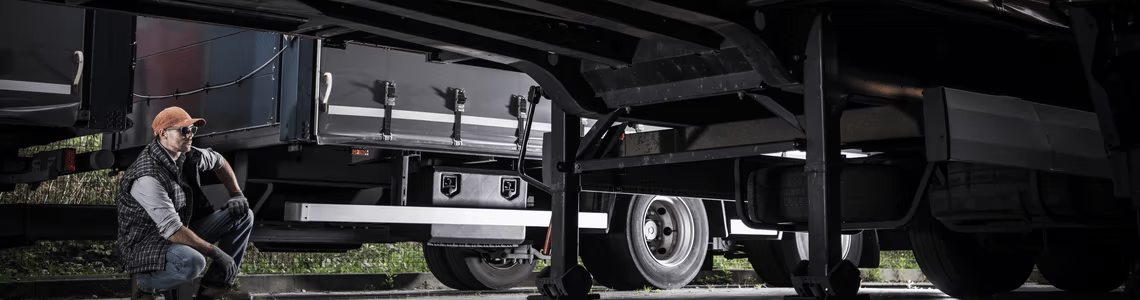
Underbody areas are often exposed to moisture, challenging road conditions, and environmental stress. H.B. Fuller’s protective coating and sealant technologies can help support corrosion resistance and long-term vehicle durability.
FAQ : Specialty Vehicles
-
What types of emergency and specialty vehicles does H.B. Fuller support?
H.B. Fuller’s adhesive and sealant technologies can support emergency and specialty vehicle applications such as ambulances, fire trucks, rescue vehicles, paramedic vans, command vehicles, utility vehicles, and other specialty transportation platforms.
-
Where are adhesives and sealants used in emergency vehicle manufacturing?
Adhesives and sealants may be used for sidewall panel bonding, structural bonding, roof sealing, glazing and sealing, flooring systems, underbody protection, sound damping, and selected interior or exterior assembly applications.
-
Why are adhesives important for emergency and specialty vehicles?
Emergency and specialty vehicles require materials that support secure bonding, sealing, durability, and long-term performance. Adhesives and sealants can help manufacturers address needs such as leak resistance, vibration damping, corrosion protection, and weight-conscious vehicle design.
-
Can adhesives help reduce the use of mechanical fasteners?
In selected applications, adhesives may supplement mechanical fasteners or support alternative assembly methods. This can help distribute stress across bonded areas and support design flexibility. Suitability depends on the substrate, joint design, manufacturing process, and performance requirements.
-
What sealant applications are common in emergency vehicles?
Common sealant applications include roof joints, exterior seams, sidewall panel edges, windows, doors, access hatches, and other areas where manufacturers need to help manage water, air, vibration, or environmental exposure.
-
Can H.B. Fuller’s products support flooring and interior assembly applications?
Yes. H.B. Fuller offers adhesive technologies that may be evaluated for flooring, interior assembly, and selected seating or fabric applications. Choosing the best product depends on different factors, including the flooring material, substrate, application method, and end-use conditions.
-
How can adhesives and sealants support vehicle durability?
Adhesives and sealants can help protect joints, seams, and exposed areas by bonding components, sealing gaps, and limiting moisture intrusion. H.B. Fuller also offers transportation solutions for underbody protection and sound damping applications.
-
How do manufacturers choose the right adhesive or sealant?
The right solution depends on the substrate, bond area, assembly process, cure requirements, environmental exposure, and performance expectations. H.B. Fuller recommends working with a technical expert to review the application and validate the product for the intended use.
View Related Pages
 Automotive Electronics Adhesives
 Coil Coating
 Commercial Vehicles
 Exterior Vehicle Lighting
 MRO
MRO
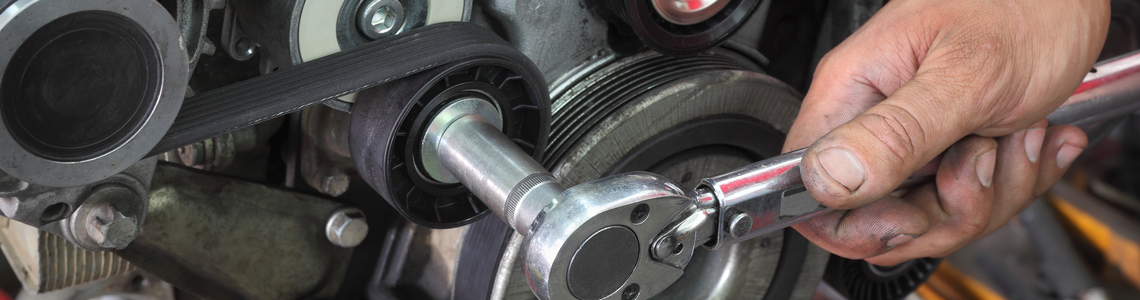 Rubber-to-Substrate Bonding Agents
H.B. Fuller’s Cilbond can capably bond disparate substrates and components in a variety of industries, including automotive, , mining, new energy, and oil and gas (in addition to others). For over 40 years, Cilbond has shown robust performance across the globe.
 Technical Textiles
 Transportation
 Vehicle Interiors Adhesive Solutions for Transportation Applications
 Undercarriage Coating