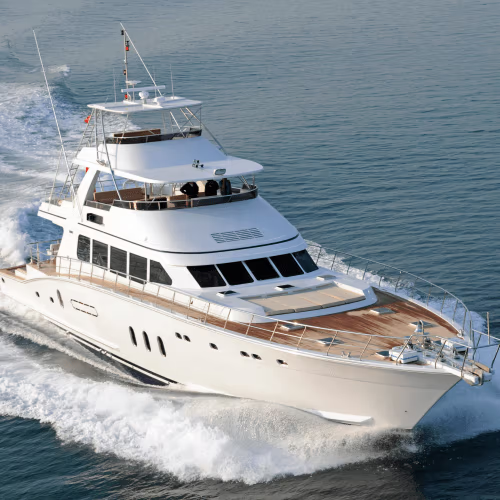
在恶劣的海洋环境中,海洋胶粘剂和密封剂需要能够抵抗强烈的紫外线辐射、湿度、淡水和盐水。此外,还必须在船甲板和船体以及内部牢固耐久地密封附加组件,因为施工质量差可能导致腐蚀、泄漏以及 GRP(玻璃纤维增强塑料或聚合物)层压板的损坏。
在 H.B. Fuller,我们为船舶和船只建造提供最佳产品解决方案。我们完整的 海洋胶粘剂和密封剂 系列专为满足生产需求而开发,并在广泛的应用中为最终产品提供长期稳定性。
船舶和船只建造项目在建筑和设计方面的要求越来越高,同时也对技术要求提出了更高的挑战。为了确保成功的应用和设计,H.B. Fuller 为船舶和船只建造行业提供专业解决方案。H.B. Fuller 提供从单一来源的完整产品系列——从高质量玻璃的制造到水线以下的密封。所有材料都相互匹配。通过这些系统解决方案,H.B. Fuller 确保从小型船只到游轮的最高安全性和质量。
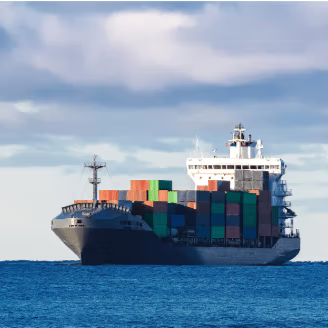
我们的海洋胶粘剂和密封剂服务组合

粘附测试

兼容性测试

处理方现场的应用培训

支持与独立实验室合作进行外部测试

质量保证计划的开发
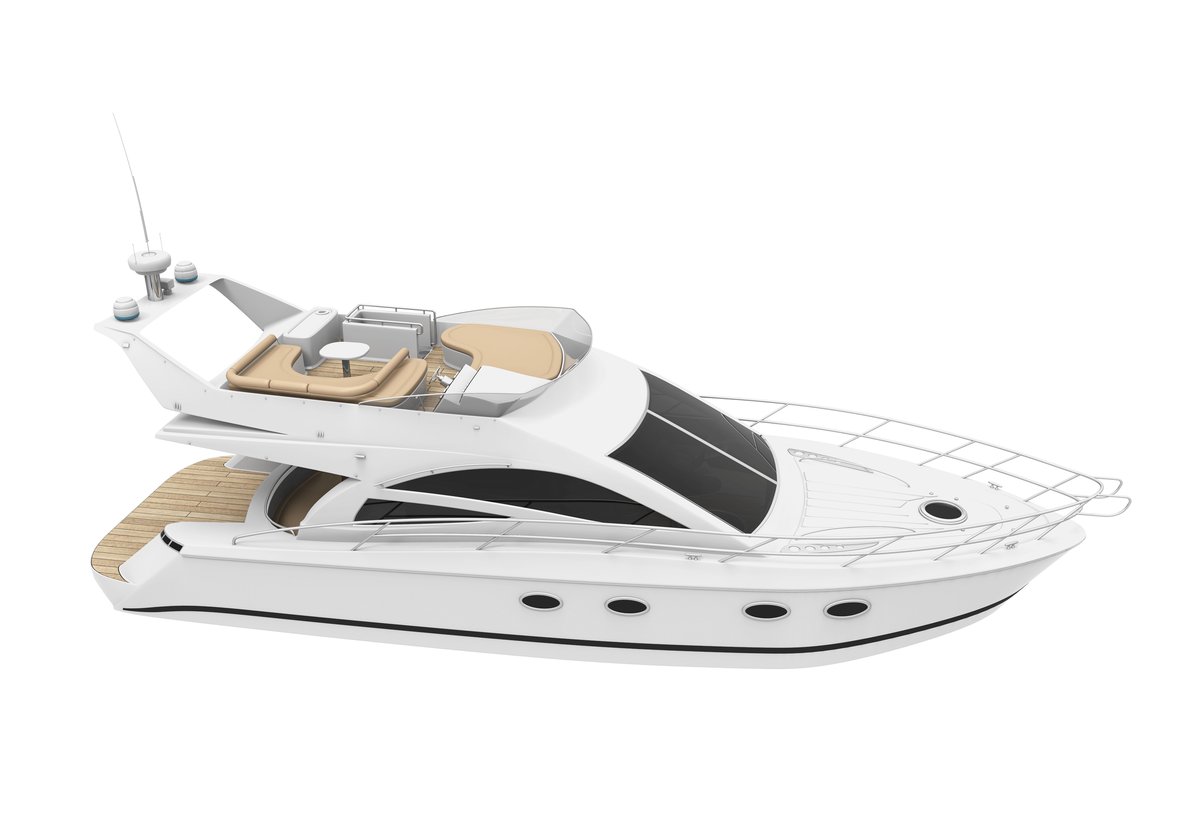
甲板粘接和填缝
结构胶粘剂
我们的解决方案广泛应用于船舶领域——从墙壁、门和装饰面板到内衬、地板板材和天花板。关键的粘接和密封区域包括:
• 外部粘接和密封:针对外部附件提供高紫外线和耐候性
• 内部粘接:消除机械固定和噪音,兼容所有常见材料
窗户粘接、密封和玻璃安装
粘接窗户和结构幕墙系统在现代船舶和船只设计中越来越受欢迎,提供了建筑自由和流畅的无框美学,营造出开放感。H.B. Fuller 提供先进的粘接技术,适用于矿物和合成玻璃,包括聚碳酸酯,确保耐用且灵活的安装。
船用窗户面临强烈的机械应力、扭曲、紫外线暴露以及恶劣的天气条件。我们的船用玻璃解决方案——包括结构胶粘剂、耐候密封剂、二次密封剂和浇铸树脂——确保持久性能。这些密封剂可防止水渗入,适应热膨胀,并在空间受限的环境中保持结构完整性。
电子保护、封装、扬声器
声音阻尼
面板生产
水下密封
Frequently Asked Questions (FAQ)
-
What marine applications does H.B. Fuller serve?
H.B. Fuller offers adhesives and sealants for ship and boat building across a broad range of applications, including deck systems, interior bonding and sealing, cabin construction, vessel construction, exterior sealing, below-water sealing, glass bonding, inflatable boats, sound damping, marine electronics, and weld mount adhesively bonded fastener systems.
-
Why is marine adhesive and sealant performance critical?
In the harsh marine environment, adhesives and sealants need to withstand strong UV radiation, humidity, fresh water, and salt water. It is essential to durably and securely seal add-on components on a ship's deck and hull, as well as in the interior, as poor workmanship can lead to corrosion, leakage and damage of the GRP laminate.
-
What is Weld Mount and how does it benefit marine construction?
Weld Mount is an adhesively bonded fastener system designed to remove the need for mechanical fasteners, fixtures, tapping, welding or drilling. Weld Mount fasteners eliminate drilling holes into the core and remove the danger of delamination due to water intrusion. Installation involves cleaning the surface, loading the cartridge, dispensing onto parts, bonding in place (allowing 12-30 minutes for curing), and using.
-
What deck materials can H.B. Fuller adhesives bond?
Decks made from real wood like teak, PVC, or polyurethane are bonded using H.B. Fuller solutions. Depending on the construction of the ship and the type of deck, the company offers the proper system that fits the respective purpose. Decks are bonded over the entire surface to help prevent cavities where water could accumulate.
-
What are the benefits of full-surface deck bonding?
Bonding decks over the entire surface helps prevent cavities where water could accumulate. Deck bonding solutions ensure the deck is slip-resistant, offers insulation both in winter and summer, and protects the substructure from corrosion and solar radiation.
-
How do H.B. Fuller deck caulking products protect marine joints?
H.B. Fuller deck caulking products fulfil the highest requirements when it comes to salt, freshwater, and UV resistance. The joints allow for permanent absorption of movement while simultaneously being easy to process and sand. The bedding compound has both high flexibility and great strength to keep the deck flooring in place while accommodating volume and thermal changes in length caused by temperature differences.
-
What materials are used in inflatable boat construction?
Depending on the type of boat and the usage area, PVC, TPU, chlorosulfonated polyethylene (CSPE) synthetic rubber, or neoprene are bonded. H.B. Fuller inflatable boat adhesives are formulated to bond these materials securely.
-
What performance characteristics do H.B. Fuller inflatable boat adhesives offer?
H.B. Fuller inflatable boat adhesives provide a secure bond that prevents the loss of function and offer resistance to UV, temperature, and hydrolysis, thereby ensuring that the inflatable boat will last for many years.
-
What are marine structural adhesives used for in boat construction?
In modern yachts and boats made from GRP (glass-reinforced plastic) or aluminium, marine structural adhesives are used for deck hull connections, stringer bonding, and the mounting of flying bridge constructions. H.B. Fuller marine structural adhesives offer a strong range of adhesives to bond stringers, ribs, and transoms to reduce weight and noise while lowering costs.
-
How do marine structural adhesives compare to conventional joining methods?
Conventional joining methods such as rivets or screws can result in damage of the thermal insulation or the components through deformation or corrosion. Using marine adhesives and sealants can prevent this and actually both increases rigidity and decreases the weight of the panel. By using H.B. Fuller marine structural adhesives and sealants, vibrations are reduced, different elongations are balanced, and shocks are absorbed.
-
Where are marine structural adhesives applied on boats and ships?
Marine structural bonding adhesives are utilized in many areas in boat and shipbuilding, including walls, doors, decorative panels, interior linings, floor plates, and ceilings. Applications include outside bonding and sealing, bonding and sealing below the water line, and inside bonding and sealing.
-
What exterior bonding and sealing solutions does H.B. Fuller offer?
H.B. Fuller outside applications offer very good resistance against weathering and UV radiation. Many attachments on boats and ships need to be bonded or sealed for design or safety requirements, with these solutions addressing those needs.
-
Why is below-water sealing critical in marine construction?
Attachments below the water line need very strong bonds and tight seals to ensure the integrity of the hull during long periods in the water. H.B. Fuller offers solutions specifically formulated for these demanding below-water applications.
-
What are sandwich and panel adhesives used for in marine applications?
H.B. Fuller's portfolio of sandwich panel adhesives offers a strong range of adhesives to produce sandwich panels and decorative panels made from different materials. Sandwich elements significantly reduce net weight without losing their intrinsic properties. Materials as diverse as wood, metal, plastics or ultramodern composites with a foam or honeycomb core are used in sandwich and panel manufacturing.
-
How do H.B. Fuller marine window bonding and sealing solutions support modern ship design?
On ships, bonded windows enable architectural freedom, modern design and novel types of constructions. H.B. Fuller can bond conventional mineral glass as well as synthetic glass like polycarbonate. On the water, facade systems are subject to strong movements and torsions and must resist strong UV radiation and all types of weather. H.B. Fuller's marine glazing, secondary sealants, cast resins, panel adhesives, and marine weather sealants help realize such complex projects.