

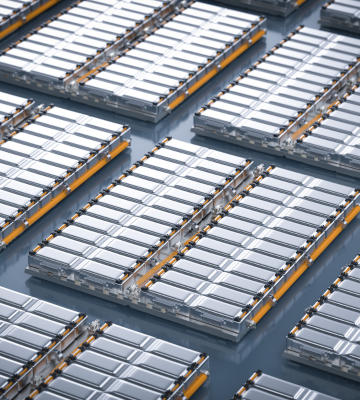
Batteries
High-Performance Materials for Lithium-ion Batteries
The lithium-ion battery market is rapidly evolving, and high-performance materials play a critical role in meeting safety, efficiency, and performance demands. No two battery designs are alike - from cell chemistry to format, battery manufacturers and OEMs need materials specifically formulation for the unique needs of the market. Our portfolio of clean energy solutions includes adhesives, flame retardant foams, thermal interface materials and coatings that help prevent battery fires, enable lighter weight assembly and maximize energy efficiency.


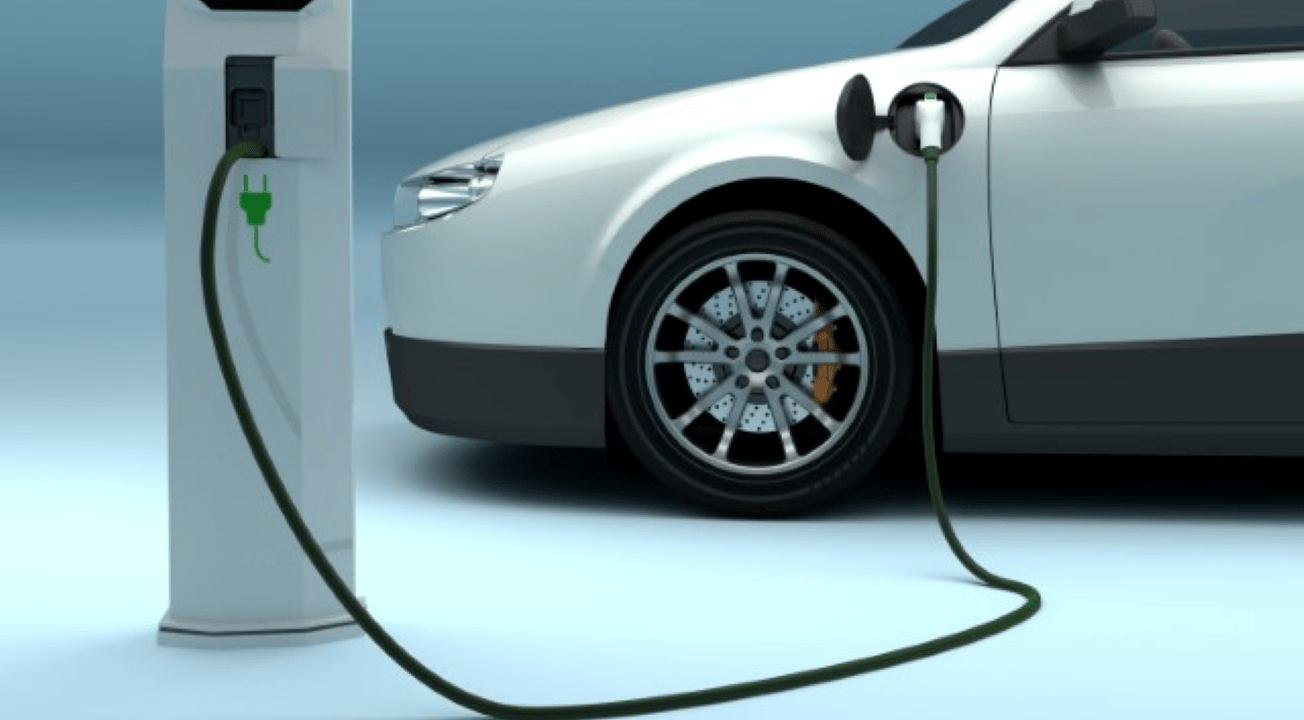
Battery Solutions for Passenger Electric Vehicles
As EV adoption continues to accelerate, the search for innovative solutions to complex battery challenges is stronger than ever. Our materials for EV batteries support enhanced safety, efficiency, and durability, enabling manufacturers to meet today’s rigorous standards and power the future of transportation.
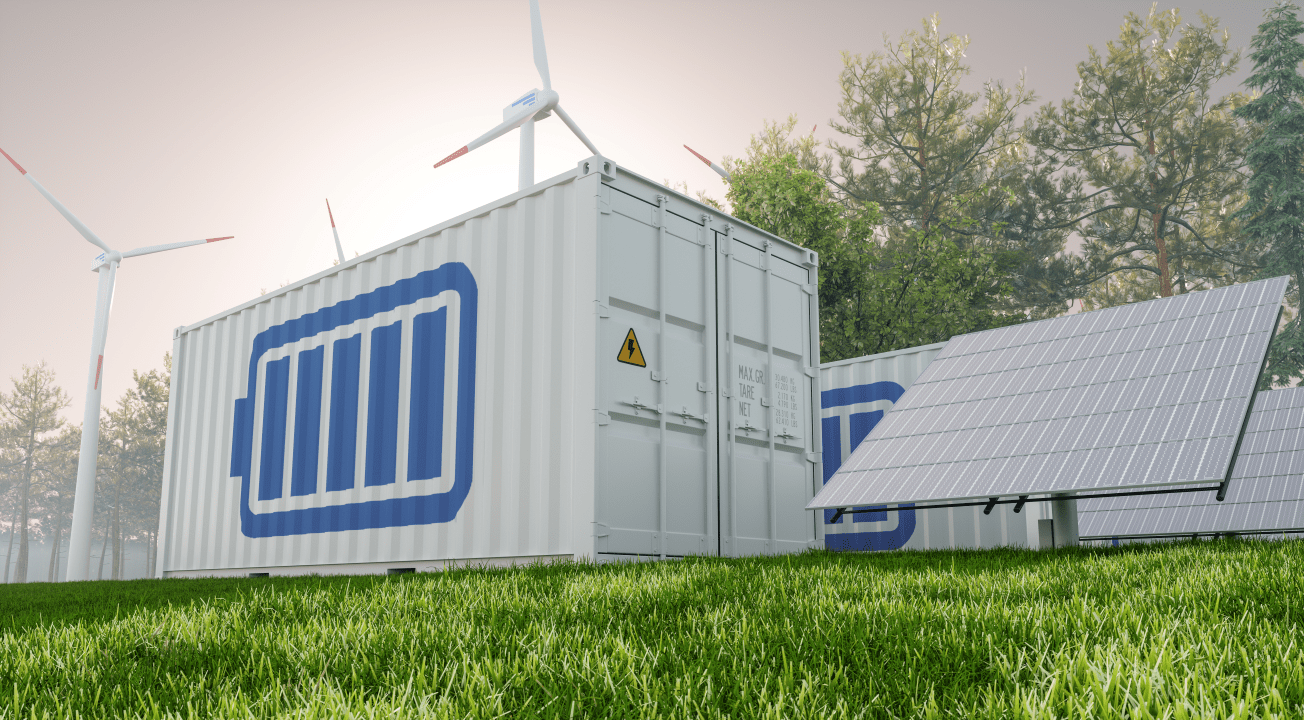
Materials for Energy Storage Systems
Energy storage is essential for a reliable, sustainable energy system. It enables storage of excess energy from renewable sources like solar and wind for use during times when generation is low, making power more consistent and reducing reliance on fossil fuels. Powered by batteries, the same design challenges apply to energy storage as they do passenger vehicles.
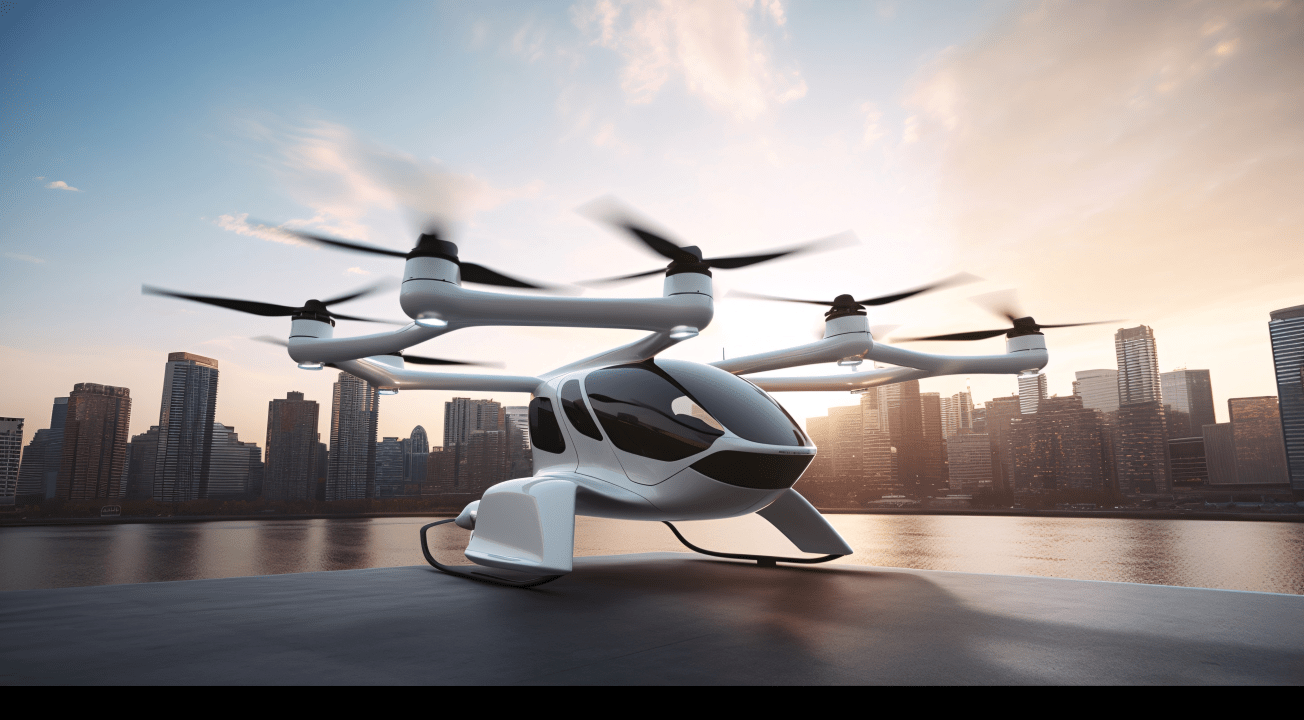
Battery Materials for eVTOL and Electric Aerospace
Advanced aircraft powered by electric propulsion are designed to be quieter, more efficient and environmentally friendly. Electric vertical takeoff and landing will change urban air mobility in the near future. The batteries powering these systems require light-weight materials that enable safer and higher-powered machines.
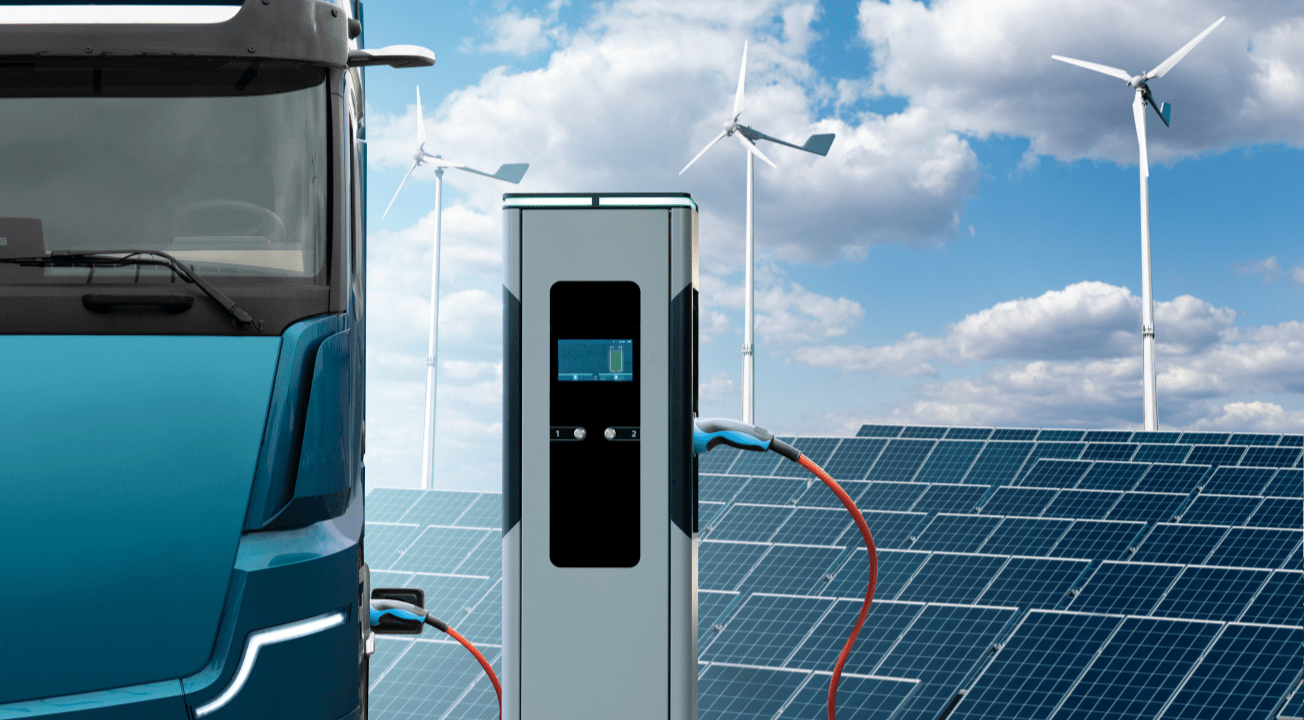
Solutions for Electric Trucks, Fleets and Delivery Equipment
Electric fleet vehicles offer significant advantages over traditional gasoline and diesel models, including lower fuel costs, reduced maintenance, and a smaller carbon footprint. As battery technology improves, electric trucks, vans, and delivery vehicles are becoming more viable for long-range use, making them an increasingly attractive option for fleet operators. These batteries need to be safe, high energy dense, and fast charging.

Solutions for Electrification of Agricultural and Heavy Equipment
The shift toward electric-powered agriculture and construction equipment is gaining significant momentum as industries seek more sustainable and cost-effective solutions. With increasing pressure to reduce carbon emissions and improve operational efficiency, electric equipment offers a cleaner alternative to traditional diesel-powered machines. As battery technology advances, the adoption of electric construction and farming equipment is set to revolutionize these sectors, driving both sustainability and productivity for the future.
H.B. Fuller's Adhesive Solutions for Clean Energy
The world is transitioning to clean energy, and every connection matters. From electric vehicles to renewable energy storage, batteries are the cornerstone of a sustainable future. Hear from Katie about how H.B. Fuller is applying our decades of expertise and a global network of resources to support the growing demands of battery manufacturing.
Trabalhando com a Equipe de Baterias da H.B. Fuller
-
Conhecimento e Especialização em Materiais
-
Equipe Global com Foco Local
-
Suporte Técnico & Testes
-
Formulações Personalizadas
A H.B. Fuller aproveita mais de 130 anos de conhecimento e especialização em materiais para apoiar o mercado de energia limpa com soluções avançadas, desenvolvidas para aplicações em baterias, armazenamento de energia, vento e solar. Nossos adesivos, vedantes e materiais de gerenciamento térmico especializados são projetados para atender às demandas únicas desses mercados, incluindo maior segurança, durabilidade e estabilidade.
Com uma compreensão abrangente da ciência dos materiais e dos desafios da indústria, oferecemos produtos que melhoram o desempenho, otimizam a fabricação e garantem confiabilidade a longo prazo. Ao se associar à H.B. Fuller, os fabricantes têm acesso a materiais de ponta e orientação especializada para sistemas otimizados e de alta qualidade em um mercado competitivo.
- Abastecimento estratégico
- Uma equipe unificada de especialistas em P&D
- Mais de 10.000 adesivos em nosso portfólio
- Formulados com uma variedade de químicas
A equipe de energia limpa da H.B. Fuller traz expertise global com um forte foco local, garantindo suporte personalizado onde quer que você opere. Nossa rede de especialistas compreende as demandas do mercado regional e os requisitos de conformidade, permitindo-nos oferecer soluções que são tanto inovadoras quanto precisamente adaptadas às necessidades locais.
Colaboramos de perto com clientes em todo o mundo para fornecer insights locais e respostas rápidas, tudo respaldado pelos amplos recursos de um líder global. Com um compromisso com o serviço localizado e o conhecimento global, capacitamos nossos parceiros a terem sucesso em mercados diversos com materiais que atendem aos mais altos padrões de qualidade, segurança e desempenho.
A H.B. Fuller oferece suporte técnico robusto e capacidades de teste para ajudar os clientes a alcançar desempenho máximo em suas aplicações de energia limpa. Nossa equipe técnica dedicada colabora de perto com você para entender desafios específicos e otimizar soluções de materiais, garantindo que atendam aos mais altos padrões.
Com parcerias de teste de última geração e expertise em aplicações de bateria, armazenamento de energia, vento & solar, fornecemos insights que aceleram o desenvolvimento de produtos e aprimoram seus projetos. Nosso compromisso com a excelência técnica significa que você pode contar conosco para orientações precisas e testes práticos, garantindo que cada solução ofereça resultados excepcionais.
Na H.B. Fuller, não oferecemos apenas soluções prontas—dedicamos tempo para entender seus requisitos específicos de design e formular uma solução personalizada que atenda precisamente às suas necessidades. Nossa equipe colabora de perto com você, aproveitando uma profunda expertise na indústria e capacidades avançadas de P&D para criar materiais que aprimoram o desempenho de suas aplicações exclusivas. Desde adesivos personalizados até produtos especializados de gerenciamento térmico, estamos comprometidos em fornecer soluções inovadoras e adequadas ao propósito, que capacitam você a ter sucesso em um mercado competitivo.

Optimizing Thermal Management in EV Power Storage for Safer, Stronger Batteries
Learn about advanced thermal management solutions that enhance the performance and safety of electric vehicle (EV) battery and energy storage systems (ESS). This eBook explores why thermal management is crucial to batteries and goes in-depth into cutting-edge materials and technologies designed to optimize heat dissipation and protect battery systems.

CELL TO CARRIER BONDING
Secure cell placement and structural support
Cell carriers for cylindrical cells provide structural support, ensuring cells stay securely in place while maintaining proper spacing for safety and thermal management. They simplifies assembly, especially in automated processes. Using adhesives to attach a cell carrier to a cylindrical cell provides secure placement, preventing movement during assembly or operation.
DIELECTRIC COATINGS
Prevent short circuits and battery malfunction
By creating an insulating layer that prevents unwanted electrical discharge and thermal events, our coatings ensure that your batteries operate safely, efficiently, and with a longer lifespan. Curable by ultra-violet light in just seconds, these coatings can drastically improve cycle time when compared to heat cured and powder coatings.
FOAM ENCAPSULATION
Flame retardant foams are the seatbelt of battery safety
H.B. Fuller© EV Protect™ product family of ultra-lightweight foams minimizes thermal propagation risks of cylindrical, pouch and prismatic cells. In addition to their thermal and flame-retardant properties, they also provide NVH dampening and protection from environmental impact as well as enhanced structural integrity.
HOUSING SEALING
Reliable Sealants and Gaskets for Enhanced Battery Protection and Reworkability
H.B. Fuller® EV Seal product family of sealants, cure-in-place gaskets (CIPG) and form-in-place gaskets (FIPG) are specifically designed to protect battery packs from environmental threats while ensuring easy access for maintenance and re-entry. By providing a secure barrier against dust, moisture, and humidity, they safeguard the internal components of the battery, enhancing its performance and longevity.
Frequently Asked Questions About EV Battery Materials
-
What types of adhesives are used in EV battery packs?
EV battery packs may use structural adhesives, flexible adhesives, thermally conductive adhesives, pressure-sensitive adhesives, sealants and encapsulation materials. These materials can support cell bonding, module assembly, pack construction, thermal management, environmental sealing and the attachment of protective components.
The appropriate adhesive depends on the cell format, substrate combination, bond-line geometry, cure process, production speed, operating environment, thermal requirements and service-life expectations. Cylindrical, prismatic and pouch-cell designs may have different bonding and processing requirements.
-
How do thermal interface materials affect battery performance and lifespan?
Thermal interface materials help transfer heat between battery components and cooling surfaces by filling air gaps and improving contact. Better thermal contact can help the battery thermal-management system maintain a more consistent operating temperature.
Temperature uniformity is important because excessive heat and large temperature differences between cells can affect charging performance, system efficiency and long-term durability. Actual results depend on the battery design, cooling system, material properties, bond-line thickness and operating conditions.
-
What is the difference between a thermal adhesive and a thermal gap filler?
A thermal adhesive provides both bonding and heat-transfer functions, while a thermal gap filler is primarily designed to fill variable spaces and create a heat-transfer path between components. Certain gap fillers may also provide mechanical stability, but they should not automatically be treated as structural adhesives.
The correct choice depends on whether the application requires structural strength, flexibility, reworkability, flow control, a specific gap thickness or a particular thermal conductivity level.
-
How do dielectric coatings improve EV battery safety?
Dielectric coatings electrically insulate conductive surfaces and help reduce the risk of unintended electrical contact. They may be applied to battery components, housings, busbar regions or other areas where electrical isolation is required.
Coating selection should consider dielectric performance, film thickness, adhesion, coverage, temperature exposure, environmental aging and compatibility with adjacent materials. The coating should be validated within the complete battery design rather than evaluated solely as an individual material.
-
How do polyurethane foams help manage shock and vibration in battery modules?
Polyurethane foams can help cushion cells and components, fill spaces, limit movement and absorb mechanical energy generated by vibration or impact. These functions can help stabilize components during vehicle operation.
Foam density, hardness, expansion behavior, adhesion, compression response, temperature resistance and flame-retardancy requirements should be evaluated for the intended application. The foam must also be compatible with the battery’s cell chemistry, assembly process and surrounding materials.
-
How can adhesives help reduce EV battery pack weight?
Adhesives can support lightweight battery designs by joining dissimilar materials, distributing loads over a larger area and reducing the need for certain mechanical fasteners. They may also allow engineers to use thinner or differently configured components when the complete structure has been validated.
Any lightweighting benefit must be evaluated at the system level. Engineers should consider adhesive mass, joint design, crash and vibration performance, manufacturing requirements, serviceability and end-of-life objectives.
-
What materials can help protect an EV battery during a thermal event?
Thermal barriers, flame-retardant foams, protective coatings, insulating materials and application-specific adhesives can contribute to a battery system’s thermal-event mitigation strategy. Depending on their design and placement, these materials may help manage heat transfer or protect adjacent components.
No single material can independently ensure battery safety. Performance depends on cell chemistry, pack architecture, cooling design, venting, detection systems, mechanical protection and the validated interaction of all system components.
-
How are adhesives selected for cylindrical, prismatic and pouch cells?
Adhesives are selected by evaluating the cell format, available bonding area, movement during cycling, substrate materials, thermal-management design and manufacturing process. Cylindrical cells may require precise placement and gap management, while prismatic and pouch cells may introduce different expansion, compression and surface-area considerations.
Selection should also account for cure conditions, dispensing method, production speed, bond-line control, vibration exposure, operating temperature, repair requirements and applicable tests.
-
Can EV battery adhesives support automated manufacturing?
Yes, adhesives formulated for controlled dispensing and consistent curing can support automated EV battery assembly. Automation considerations include viscosity, flow behavior, open time, cure speed, dispensing accuracy, equipment compatibility and process monitoring.
Manufacturers should validate the complete process, including material storage, conditioning, dispensing, detection, cure, inspection and quality control. A material suitable for the final battery design must also be compatible with the intended production environment.
-
What testing should be completed before selecting an EV battery adhesive?
EV battery adhesives should be tested using the intended substrates, surface preparation, bond geometry, application equipment and cure conditions. Testing may include adhesion, vibration, impact, thermal cycling, temperature exposure, humidity, chemical resistance, dielectric performance and thermal conductivity, depending on the application.
Testing should reflect the actual battery design and service environment. Product data can support initial screening, but final material selection should be based on application-specific validation and applicable customer, industry and regulatory requirements.
Need help selecting a material for your EV battery application?
Connect with H.B. Fuller’s battery specialists to discuss your cell format, substrates, thermal requirements, production process and testing needs.

Solicite um orçamento para o seu próximo projeto
View Related Pages
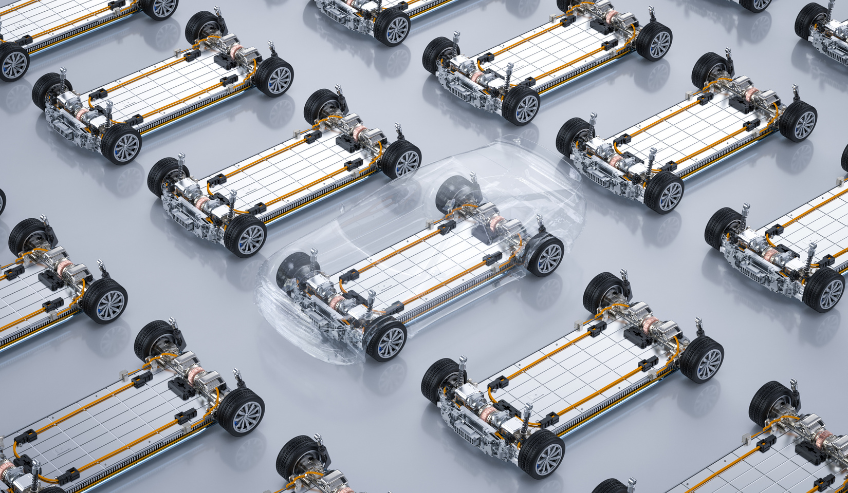 Espumas Retardantes de Chama: O "Cinto de Segurança" da Segurança da Bateria
O artigo discute como vários incidentes de alto perfil levantaram preocupações de segurança, levando reguladores e fabricantes a tomar medidas para prevenir ocorrências futuras. Com a crescente pressão, novos padrões de segurança poderiam ajudar a reforçar a confiança do consumidor e tornar os veículos elétricos uma opção mais confiável.
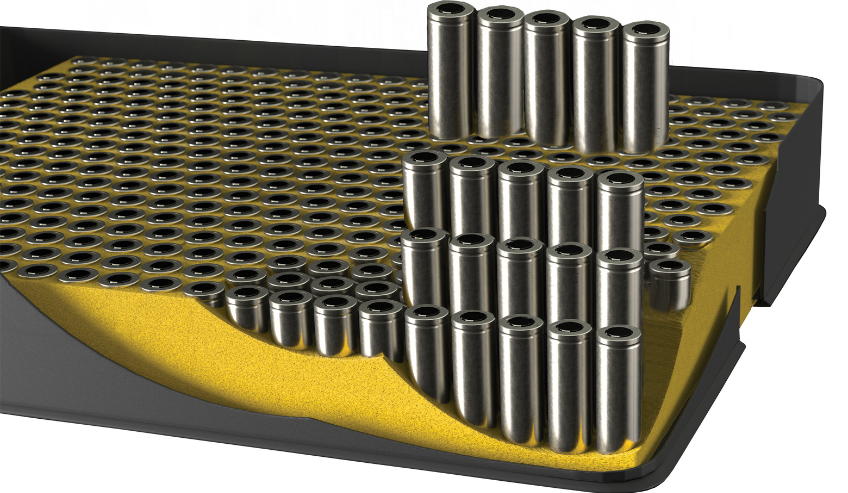 Tecnologia de Célula-Para-Pacote (CTP) em Veículos Elétricos
A tecnologia cell-to-pack (CTP) é um processo de fabricação utilizado na produção de pacotes de baterias de íon-lítio. Envolve a conexão direta de células de bateria individuais em configurações de série e paralelo, sem a necessidade de módulos ou componentes adicionais. Neste post, vamos explorar tanto os pontos fortes quanto as desvantagens da tecnologia CTP e discutir como ela pode ajudar a reduzir o peso total do pacote de baterias, a complexidade do design e o espaço dentro do módulo, ao mesmo tempo em que introduz vários desafios ao design da bateria: perda de suporte estrutural, vedação eficaz e maior risco de incêndio da bateria.
 Perspectivas para Baterias em 2025: O que Está Energizando o Futuro da Energia?
A revolução dos veículos elétricos (EV) já está em pleno andamento. Nos últimos anos, os EVs passaram de disruptores de mercado de nicho para opções de transporte mainstream, com fabricantes de automóveis globais fazendo investimentos substanciais na eletrificação. À medida que a adoção da mobilidade elétrica acelera, o foco está se deslocando da transformação inicial para o aperfeiçoamento das tecnologias que moldarão a próxima geração de baterias.