

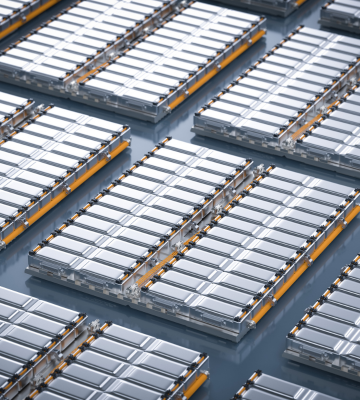
Batteries
High-Performance Materials for Lithium-ion Batteries
The lithium-ion battery market is rapidly evolving, and high-performance materials play a critical role in meeting safety, efficiency, and performance demands. No two battery designs are alike - from cell chemistry to format, battery manufacturers and OEMs need materials specifically formulation for the unique needs of the market. Our portfolio of clean energy solutions includes adhesives, flame retardant foams, thermal interface materials and coatings that help prevent battery fires, enable lighter weight assembly and maximize energy efficiency.
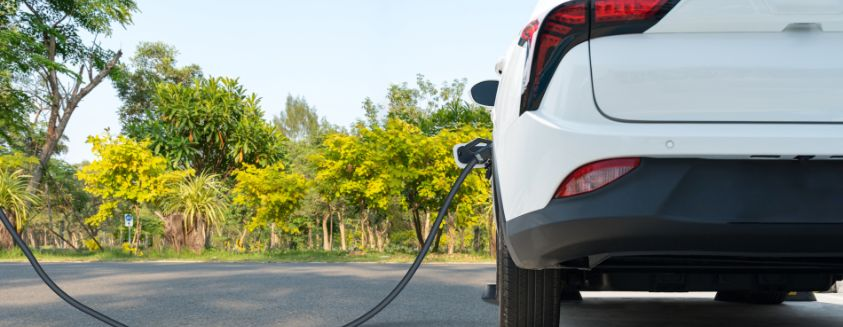


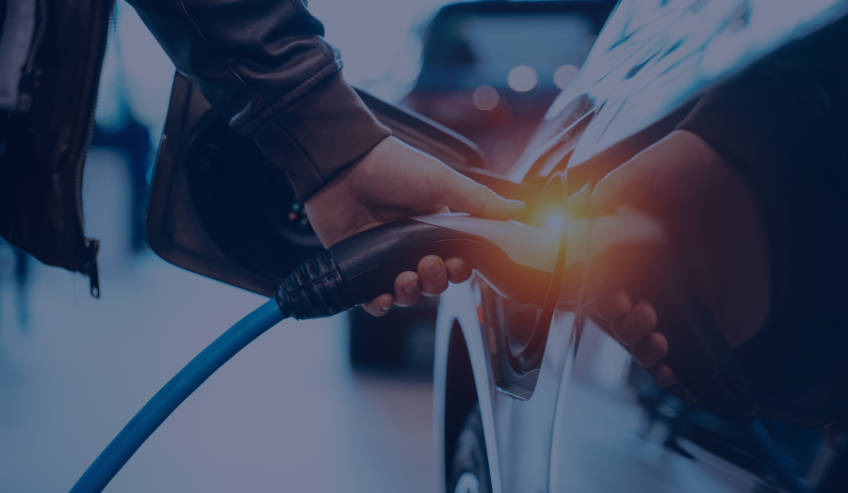
Battery Solutions for Passenger Electric Vehicles
As EV adoption continues to accelerate, the search for innovative solutions to complex battery challenges is stronger than ever. Our materials for EV batteries support enhanced safety, efficiency, and durability, enabling manufacturers to meet today’s rigorous standards and power the future of transportation.

Materials for Energy Storage Systems
Energy storage is essential for a reliable, sustainable energy system. It enables storage of excess energy from renewable sources like solar and wind for use during times when generation is low, making power more consistent and reducing reliance on fossil fuels. Powered by batteries, the same design challenges apply to energy storage as they do passenger vehicles.

Battery Materials for eVTOL and Electric Aerospace
Advanced aircraft powered by electric propulsion are designed to be quieter, more efficient and environmentally friendly. Electric vertical takeoff and landing will change urban air mobility in the near future. The batteries powering these systems require light-weight materials that enable safer and higher-powered machines.

Solutions for Electric Trucks, Fleets and Delivery Equipment
Electric fleet vehicles offer significant advantages over traditional gasoline and diesel models, including lower fuel costs, reduced maintenance, and a smaller carbon footprint. As battery technology improves, electric trucks, vans, and delivery vehicles are becoming more viable for long-range use, making them an increasingly attractive option for fleet operators. These batteries need to be safe, high energy dense, and fast charging.

Solutions for Electrification of Agricultural and Heavy Equipment
The shift toward electric-powered agriculture and construction equipment is gaining significant momentum as industries seek more sustainable and cost-effective solutions. With increasing pressure to reduce carbon emissions and improve operational efficiency, electric equipment offers a cleaner alternative to traditional diesel-powered machines. As battery technology advances, the adoption of electric construction and farming equipment is set to revolutionize these sectors, driving both sustainability and productivity for the future.
H.B. Fuller's Adhesive Solutions for Clean Energy
The world is transitioning to clean energy, and every connection matters. From electric vehicles to renewable energy storage, batteries are the cornerstone of a sustainable future. Hear from Katie about how H.B. Fuller is applying our decades of expertise and a global network of resources to support the growing demands of battery manufacturing.
Working with H.B. Fuller’s Battery Team
-
Material Knowledge and Expertise
-
Global Team with Local Focus
-
Technical Support & Testing
-
Tailored Formulations
H.B. Fuller leverages over 130+ years of material knowledge and expertise to support the clean energy market with advanced solutions tailored for battery, energy storage, wind & solar applications. Our specialized adhesives, sealants, and thermal management materials are engineered for the unique demands of these markets, including enhanced safety, durability, and stability.
With a comprehensive understanding of materials science and industry challenges, we offer products that improve performance, streamline manufacturing, and ensure long-term reliability. By partnering with H.B. Fuller, manufacturers gain access to cutting-edge materials and expert guidance for optimized, high-quality systems in a competitive market.
- Strategic sourcing
- A team of unified R&D experts
- 10,000+ adhesives in our portfolio
- Formulated with variety of chemistries
H.B. Fuller’s clean energy team brings global expertise with a strong local focus, ensuring tailored support wherever you operate. Our network of experts understands regional market demands and compliance requirements, allowing us to deliver solutions that are both innovative and precisely adapted to local needs.
We collaborate closely with customers worldwide to provide on-the-ground insights and rapid responses, all backed by the extensive resources of a global leader. With a commitment to localized service and global knowledge, we empower our partners to succeed in diverse markets with materials that meet the highest standards of quality, safety, and performance.
H.B. Fuller offers robust technical support and testing capabilities to help customers achieve peak performance in their clean energy applications. Our dedicated technical team collaborates closely with you to understand specific challenges and optimize material solutions, ensuring they meet the highest standards.
With state-of-the-art testing partnerships and expertise in battery, energy storage, wind & solar applications, we provide insights that accelerate product development and enhance your designs. Our commitment to technical excellence means you can count on us for precise guidance and real-world testing to ensure every solution delivers exceptional results.
At H.B. Fuller, we don’t just offer off-the-shelf solutions—we take the time to understand your specific design requirements and formulate a tailored solution that precisely meets your needs. Our team collaborates closely with you, leveraging deep industry expertise and advanced R&D capabilities to create materials that enhance performance of your unique applications. From custom adhesives to specialized thermal management products, we’re committed to delivering innovative, fit-for-purpose solutions that empower you to succeed in a competitive market.

Optimizing Thermal Management in EV Power Storage for Safer, Stronger Batteries
Learn about advanced thermal management solutions that enhance the performance and safety of electric vehicle (EV) battery and energy storage systems (ESS). This eBook explores why thermal management is crucial to batteries and goes in-depth into cutting-edge materials and technologies designed to optimize heat dissipation and protect battery systems.

CELL TO CARRIER BONDING
Secure cell placement and structural support
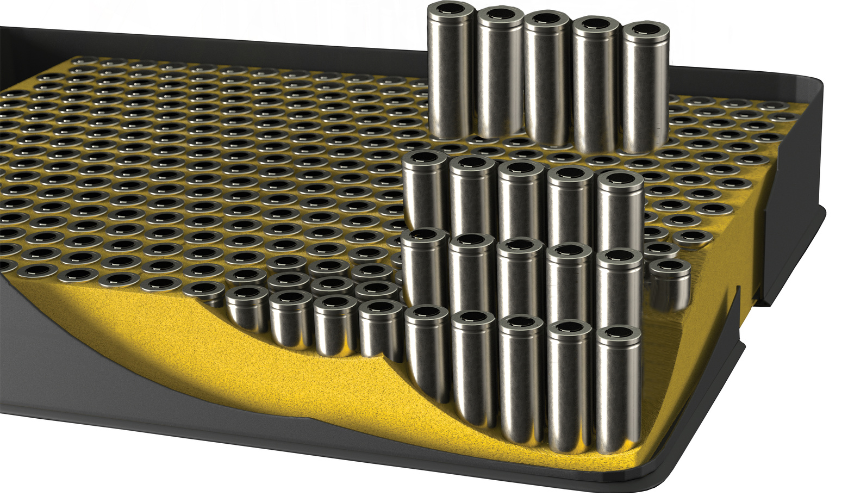
Cell carriers for cylindrical cells provide structural support, ensuring cells stay securely in place while maintaining proper spacing for safety and thermal management. They simplifies assembly, especially in automated processes. Using adhesives to attach a cell carrier to a cylindrical cell provides secure placement, preventing movement during assembly or operation.
CELL TO CARRIER BONDING
Secure cell placement and structural support
Cell carriers for cylindrical cells provide structural support, ensuring cells stay securely in place while maintaining proper spacing for safety and thermal management. They simplifies assembly, especially in automated processes. Using adhesives to attach a cell carrier to a cylindrical cell provides secure placement, preventing movement during assembly or operation.
DIELECTRIC COATINGS
Prevent short circuits and battery malfunction
By creating an insulating layer that prevents unwanted electrical discharge and thermal events, our coatings ensure that your batteries operate safely, efficiently, and with a longer lifespan. Curable by ultra-violet light in just seconds, these coatings can drastically improve cycle time when compared to heat cured and powder coatings.
FOAM ENCAPSULATION
Flame retardant foams are the seatbelt of battery safety
H.B. Fuller© EV Protect™ product family of ultra-lightweight foams minimizes thermal propagation risks of cylindrical, pouch and prismatic cells. In addition to their thermal and flame-retardant properties, they also provide NVH dampening and protection from environmental impact as well as enhanced structural integrity.
HOUSING SEALING
Reliable Sealants and Gaskets for Enhanced Battery Protection and Reworkability
H.B. Fuller® EV Seal product family of sealants, cure-in-place gaskets (CIPG) and form-in-place gaskets (FIPG) are specifically designed to protect battery packs from environmental threats while ensuring easy access for maintenance and re-entry. By providing a secure barrier against dust, moisture, and humidity, they safeguard the internal components of the battery, enhancing its performance and longevity.
Frequently Asked Questions About EV Battery Materials
-
How does thermal management affect battery performance and lifespan?
Thermal management plays a crucial role in battery performance and lifespan by maintaining an optimal temperature range for the battery's operation. Excessive heat can accelerate chemical reactions inside the battery, leading to degradation and reduced capacity over time. On the other hand, cold temperatures can cause increased resistance, lowering efficiency and performance. Proper thermal management ensures that the battery operates within a safe temperature range, improving both its performance and longevity.
-
How do dielectric coatings improve battery safety?
Dielectric coatings improve battery safety by acting as an insulating layer that helps prevent electrical shorts and reduces the risk of thermal runaway. These coatings help to protect the battery's internal components from environmental factors like moisture and dust. By ensuring proper insulation, dielectric coatings contribute to safer battery operation, minimizing the chances of overheating, fires, or explosions. Ultimately, they enhance the reliability and overall safety of the battery system.
-
How do polyurethane foams help with shock absorption in battery modules?
Structural foams help with shock absorption in battery modules by providing a rigid yet impact-resistant layer that absorbs and distributes force during handling, transport, or operation. These foams are designed to protect sensitive components from vibrations and shocks, minimizing the risk of damage to the battery cells. The durable and lightweight nature of structural foams ensures both strong protection and reduced weight. Additionally, they help maintain the structural integrity of the battery module under stress, ensuring reliable performance over time.
Need help selecting a material for your EV battery application?
Connect with H.B. Fuller’s battery specialists to discuss your cell format, substrates, thermal requirements, production process and testing needs.

Request A Quote For Your Next Project
View Related Pages
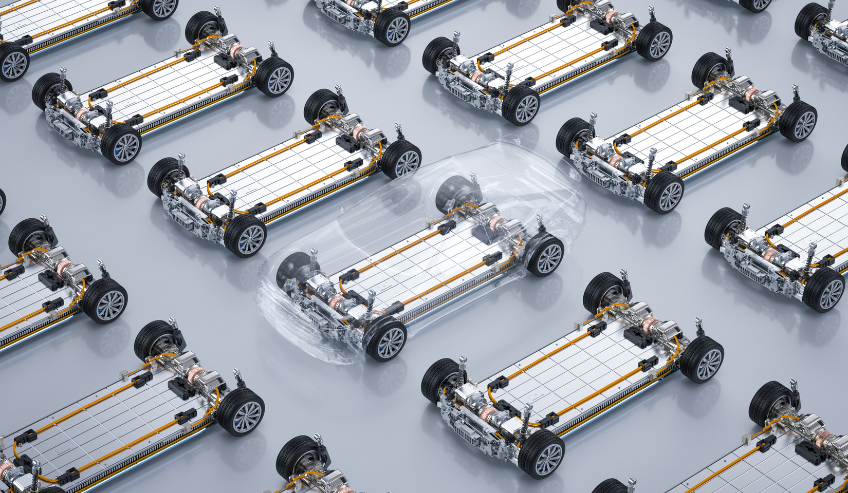 Flame-Retardant Foams: The "Seatbelt" of Battery Safety
 Battery Trends of 2025: What’s Powering the Future of Energy?
The electric vehicle (EV) revolution is well underway. In recent years, EVs have moved from niche market disruptors to mainstream transportation options, with global automakers making substantial investments in electrification. As the adoption of electric mobility accelerates, the focus is shifting from early-stage transformation to fine-tuning the technologies that will shape the next generation of batteries.